Running Toilet: Find the Cause and Fix It in an Afternoon
A toilet that won't stop running can waste a startling amount of water without making much noise. Here's the five-minute test that finds the problem, and the cheap parts that usually fix it.
Rooftop Daily editors choose every topic independently. Some guides include labeled partner offers, and we may be paid when you request a quote. How we make money
In this guide
You hear it at 2 a.m.: the hiss of the toilet refilling when nobody flushed it. Or the tank never quite stops running after a flush. It sounds minor, and it usually is a minor fix. But a toilet that leaks all day can quietly add up on your water bill, and it’s one of the few plumbing problems most homeowners can solve themselves with a part from the hardware store.
The short answer
Put a few drops of food coloring in the tank, wait 10 minutes and look at the bowl. If color appears, the flapper isn’t sealing; replace it. If the water in the tank is spilling into the overflow tube, lower the fill valve’s float, or replace the fill valve. If the chain is too tight, too loose or tangled, adjust it. Those three cover most running toilets. Call a plumber if the tank is cracked, the shutoff valve won’t close, or water is leaking at the base.
The usual story: a toilet that refills by itself for a few seconds every so often, mostly noticed at night when the house is quiet. The dye test puts color in the bowl within ten minutes. The flapper has gone stiff and warped with age and no longer seals. A new one takes about 15 minutes to install, and the late-night hiss stops.
Why it matters
The EPA’s WaterSense program says the average household’s leaks waste more than 9,300 gallons a year, and that an old or worn flapper alone can silently leak thousands of gallons. WaterSense estimates that fixing easily corrected leaks can save about 10% on a water bill. A running toilet is usually the easiest of those leaks to fix.
Step 1: The five-minute dye test
This is WaterSense’s own test, and it takes no tools:
- Take the lid off the tank and add a few drops of food coloring to the water in it.
- Don’t flush. Wait 10 minutes.
- Look in the bowl. If the color has shown up there, water is leaking from the tank into the bowl, usually past the flapper.
- Flush when you’re done so the dye doesn’t stain the tank.
This weekend
Dye tablets made for this test are sometimes free from your water utility. Any food coloring works, though; darker colors are easier to see.
Step 2: Look inside the tank
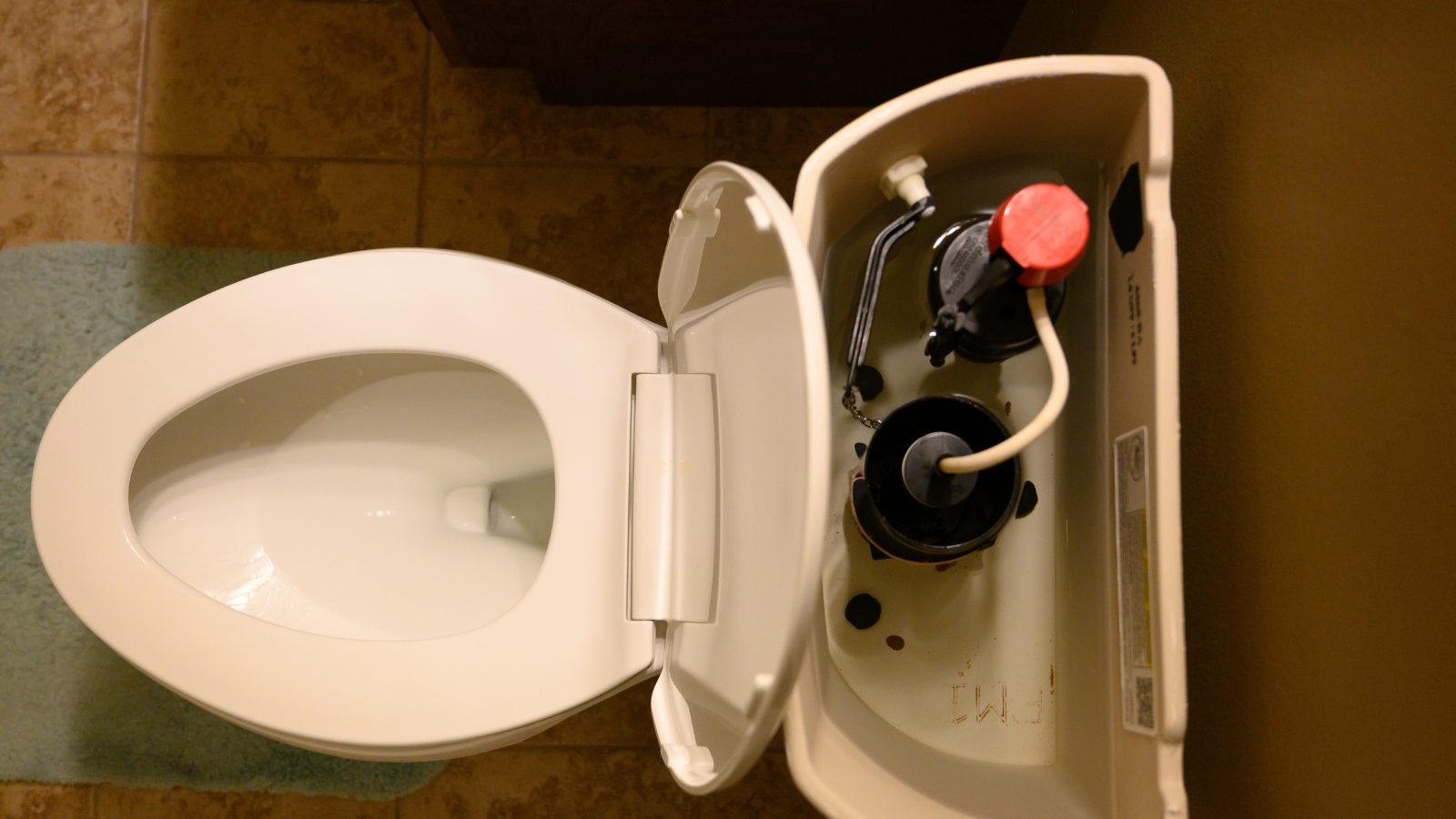
With the lid off, flush and watch. You’ll see three main parts:
- The flapper: the rubber seal at the bottom that lifts when you flush and drops to seal the opening into the bowl.
- The chain: connects the flush handle’s arm to the flapper.
- The fill valve: the tall assembly on one side that refills the tank, with a float that tells it when to stop.
Next to the fill valve is the overflow tube, an open pipe that keeps the tank from overflowing if the fill valve doesn’t shut off.
| What you see | Likely cause | Fix |
|---|---|---|
| Dye in the bowl, or the toilet refills on its own every so often | Flapper not sealing (worn, warped or dirty) | Clean the flapper and the seat it sits on, or replace it |
| Water level above the top of the overflow tube, spilling into it | Fill valve set too high or failing | Lower the float; replace the fill valve if that doesn’t work |
| Flapper won’t close all the way after a flush | Chain too short or caught | Adjust so there’s a little slack |
| Weak flush, or you have to hold the handle | Chain too long | Shorten it by a link or two |
| Water on the floor around the base | Not a running-toilet problem: possibly the wax seal or a supply connection | Call a plumber |
Advertisement
Fixing a worn flapper
Flappers are rubber, and rubber wears out. WaterSense recommends replacing them at least every five years.
- Turn off the water at the shutoff valve on the wall behind the toilet (turn it clockwise).
- Flush and hold the handle down to drain most of the tank.
- Unhook the old flapper from the pegs on either side of the overflow tube and from the chain.
- Take it to the store, or take a photo. WaterSense notes that flappers come in different widths, and some have a foam float that also needs replacing. The toilet’s manual or the maker’s website can tell you the right part.
- Install the new flapper, clip on the chain with a little slack, turn the water back on and test it with another dye test.
Before buying a new flapper, wipe the old one and the ring it seals against with a rag. Mineral buildup or grime sometimes keeps a good flapper from sealing.
Fixing the fill valve
If the water level is too high and spilling into the overflow tube, start with the float. On most modern fill valves, there’s an adjustment screw or clip that lets you lower the float so the valve shuts off sooner. The water level should sit below the top of the overflow tube; many tanks have a line marked on the inside.
If adjusting doesn’t stop it, or the valve hisses or refills slowly, replace the whole fill valve. It’s a bigger job than a flapper, since you’ll disconnect the supply line under the tank, but many homeowners manage it with the package instructions and a sponge for the leftover water.
When to call a plumber
Some running-toilet problems aren’t do-it-yourself fixes:
- The shutoff valve behind the toilet won’t close, or leaks when you turn it. Forcing an old valve can make it worse.
- The tank or bowl is cracked.
- Water is pooling at the base or dripping from the tank bolts or supply line.
- You’ve replaced the flapper and fill valve and it still runs.
- You smell sewer gas near the toilet, which can point to a failed seal at the base. Our guide to why a house smells like sewer covers that.
If the shutoff behind the toilet fails while you’re working, close the main water shutoff for the house. Our frozen pipes guide explains where to find it.
Does a home warranty cover toilets?
Some home warranty plans include plumbing fixtures like toilets, with limits and a service fee per visit. For an inexpensive part you can install yourself, a service fee may cost more than the fix. If you’re weighing a plan for bigger plumbing failures, read our honest math on whether a home warranty is worth it.
Your next step
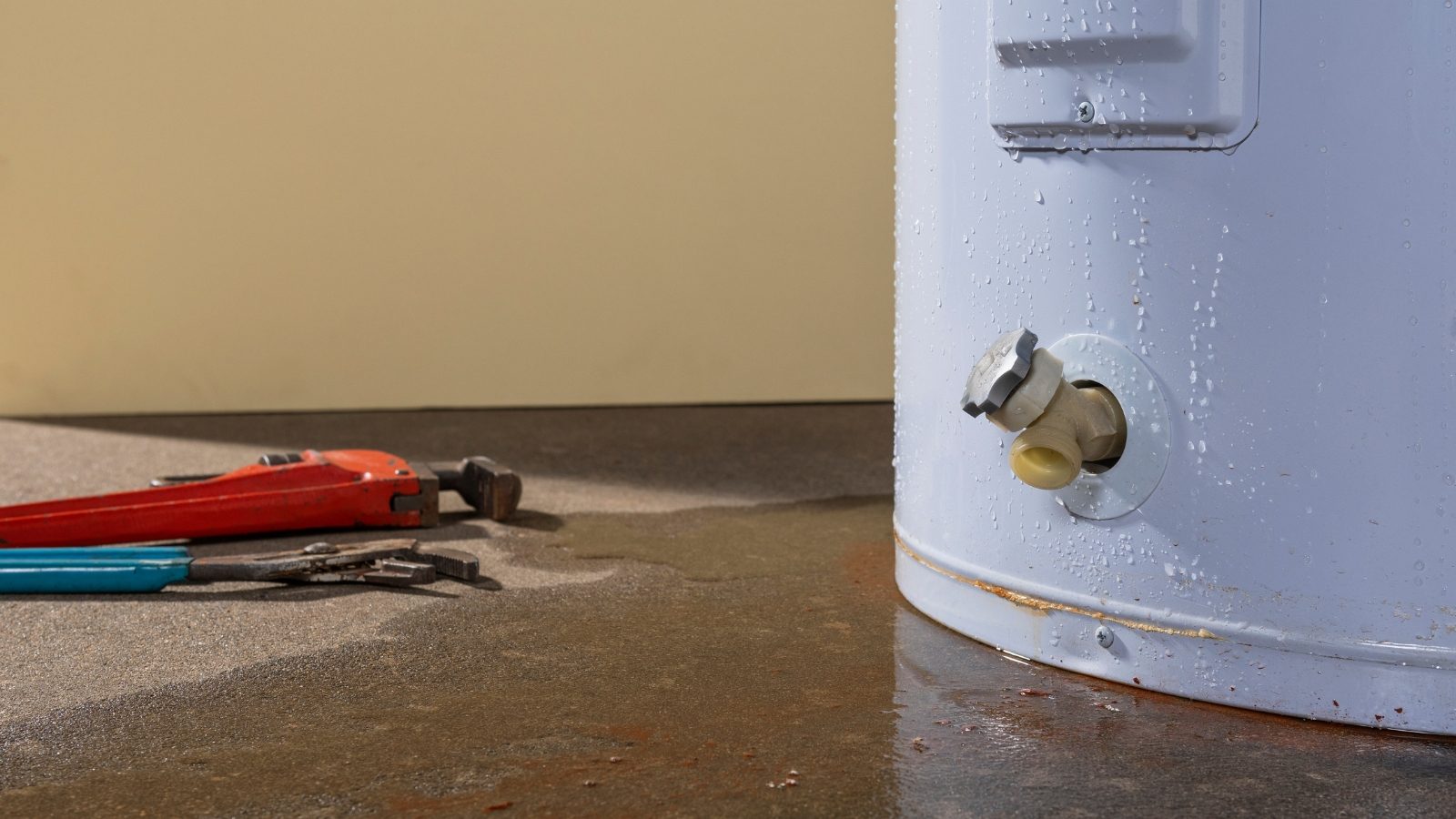
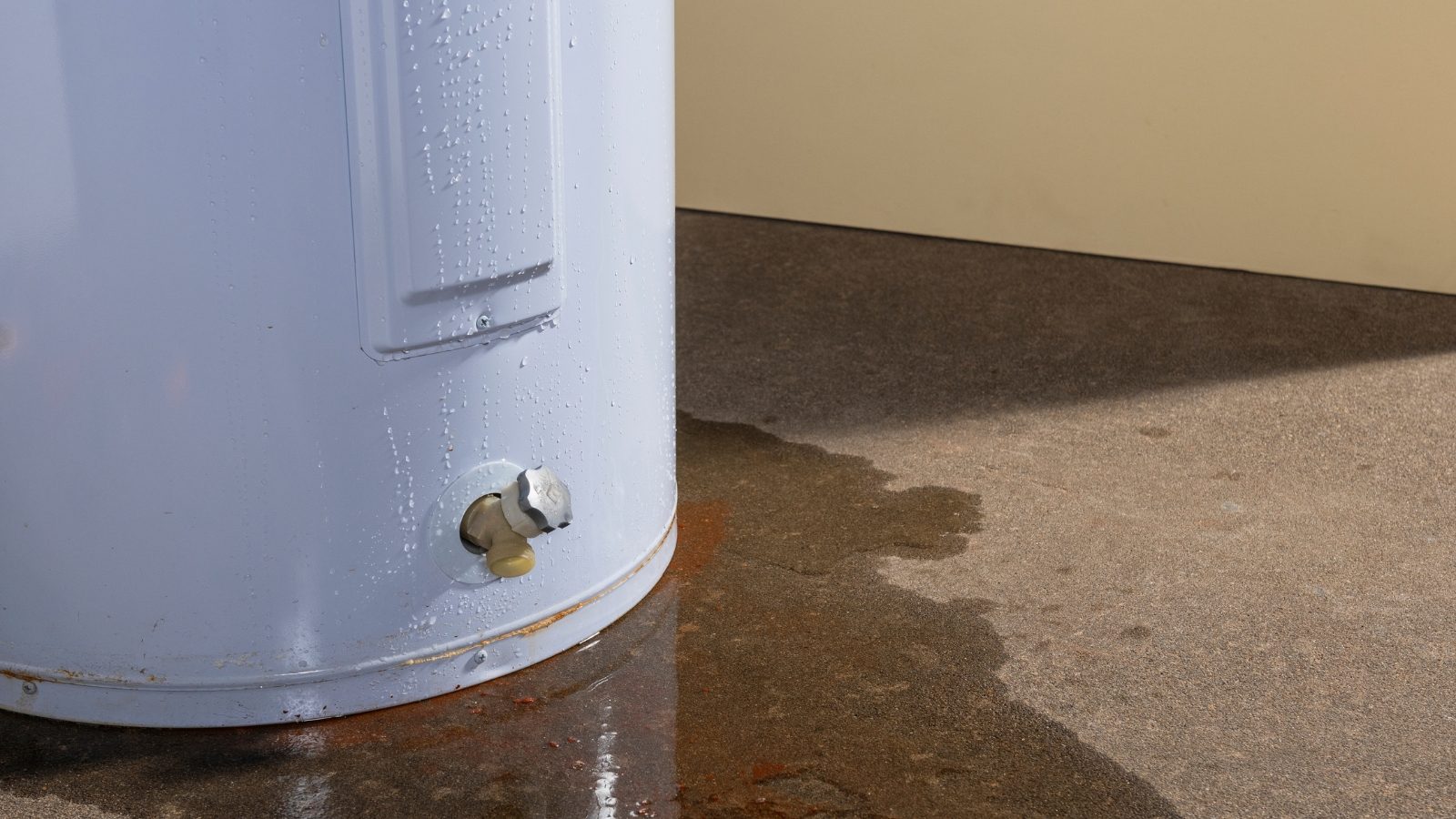
Do the dye test on every toilet in the house this weekend, including the one in the guest bathroom nobody uses. While you’re at it, find each toilet’s shutoff valve and make sure it turns. For the rest of the house’s quiet water wasters, see our guide to a leaking water heater.
Advertisement
Questions readers ask
Why does my toilet keep running?
Usually one of three things: a worn or warped flapper that lets water leak into the bowl, a fill valve set too high so water spills into the overflow tube, or a flapper chain that's too short, too long or tangled. A dye test and a look inside the tank will tell you which.
How do I know if my toilet is leaking?
The EPA's WaterSense program suggests putting a few drops of food coloring in the tank and waiting 10 minutes without flushing. If color shows up in the bowl, the toilet is leaking. Flush afterward so the dye doesn't stain the tank.
How often should a toilet flapper be replaced?
WaterSense recommends checking flappers periodically and replacing them at least every five years. Take the old one, or a photo of it, to the store to get the right match.
How much water does a running toilet waste?
It varies with the leak. WaterSense says a worn flapper can silently leak thousands of gallons a year, and that household leaks overall average more than 9,300 gallons a year.