AC Not Blowing Cold Air? Check These Before You Call
Some AC failures are a dirty filter or a tripped breaker. Others need a technician, and a few need a decision about replacing the system. Here's how to tell which one you have.
Rooftop Daily editors choose every topic independently. Some guides include labeled partner offers, and we may be paid when you request a quote. How we make money
In this guide
It’s the first hot afternoon of the year, the house is creeping toward 80 degrees, and the vents are pushing air that feels like the room. Before you book an emergency service call, spend 15 minutes on the checks below. Sometimes a “broken” air conditioner turns out to be a filter or a switch.
The short answer
Check four things first: the thermostat is set to cool and below the room temperature; the air filter isn’t clogged; the breakers for the indoor and outdoor units are on; and the outdoor unit is running and isn’t smothered in leaves or grass. If the indoor coil or refrigerant lines are covered in ice, turn the cooling off and call a technician. Low refrigerant means a leak, and the Department of Energy says adding refrigerant alone isn’t a fix.
Say the AC quits on the first 85-degree day of June. You book a service call, spend two days in a hot house, and the technician pulls out a filter so clogged it looks like gray felt. A new filter goes in and the vents run cold again before the truck leaves the driveway. It isn’t always that simple, but it’s simple often enough that the checks below are worth 15 minutes first.
Check 1: The thermostat
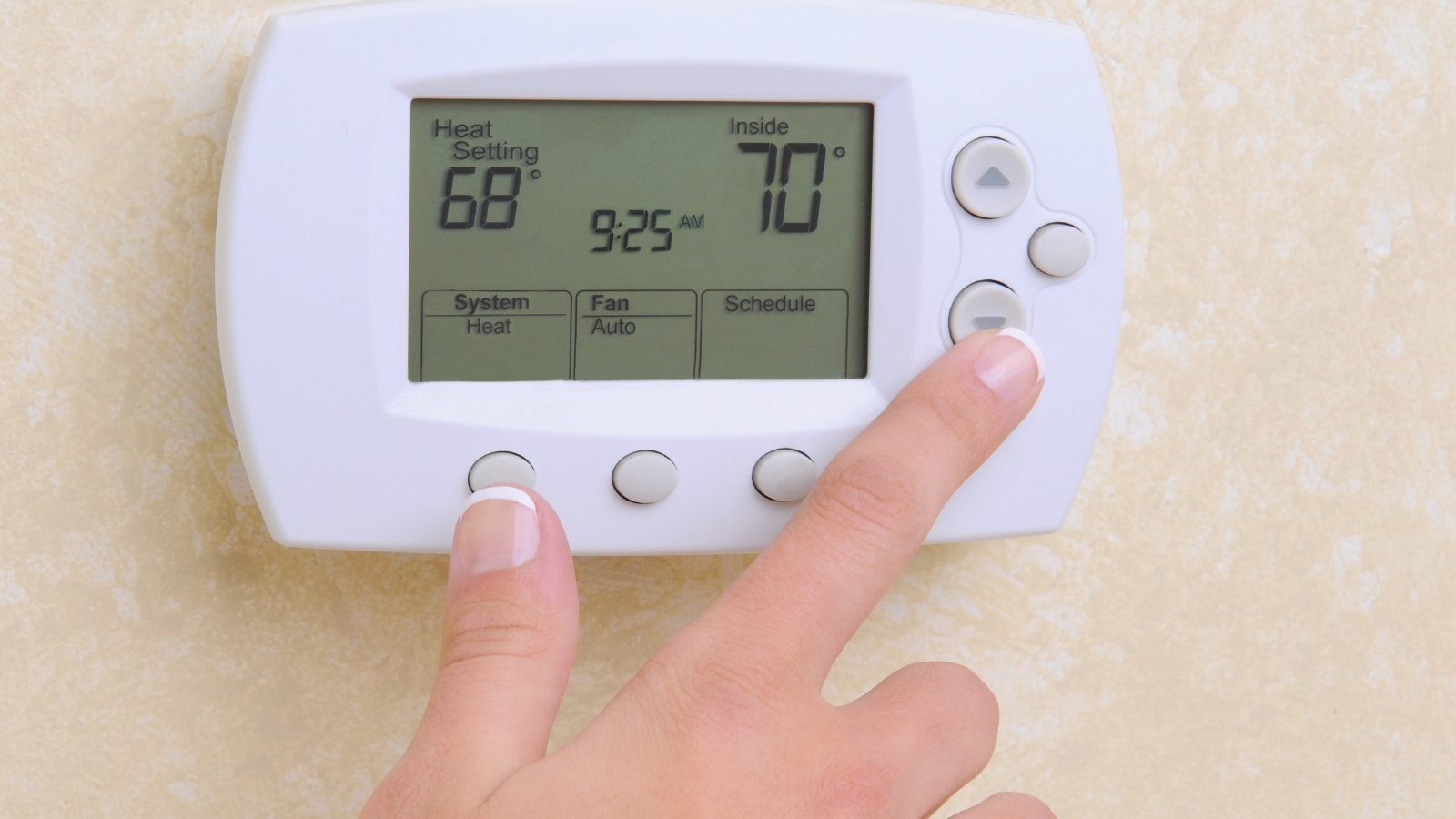
It sounds too obvious, but check it anyway. Make sure it’s set to cool, not heat, fan or auto-fan only, and set a few degrees below the current room temperature. If it runs on batteries and the screen is blank or dim, replace them. If someone recently changed the schedule, look for a program that’s overriding your setting.
Check 2: The air filter
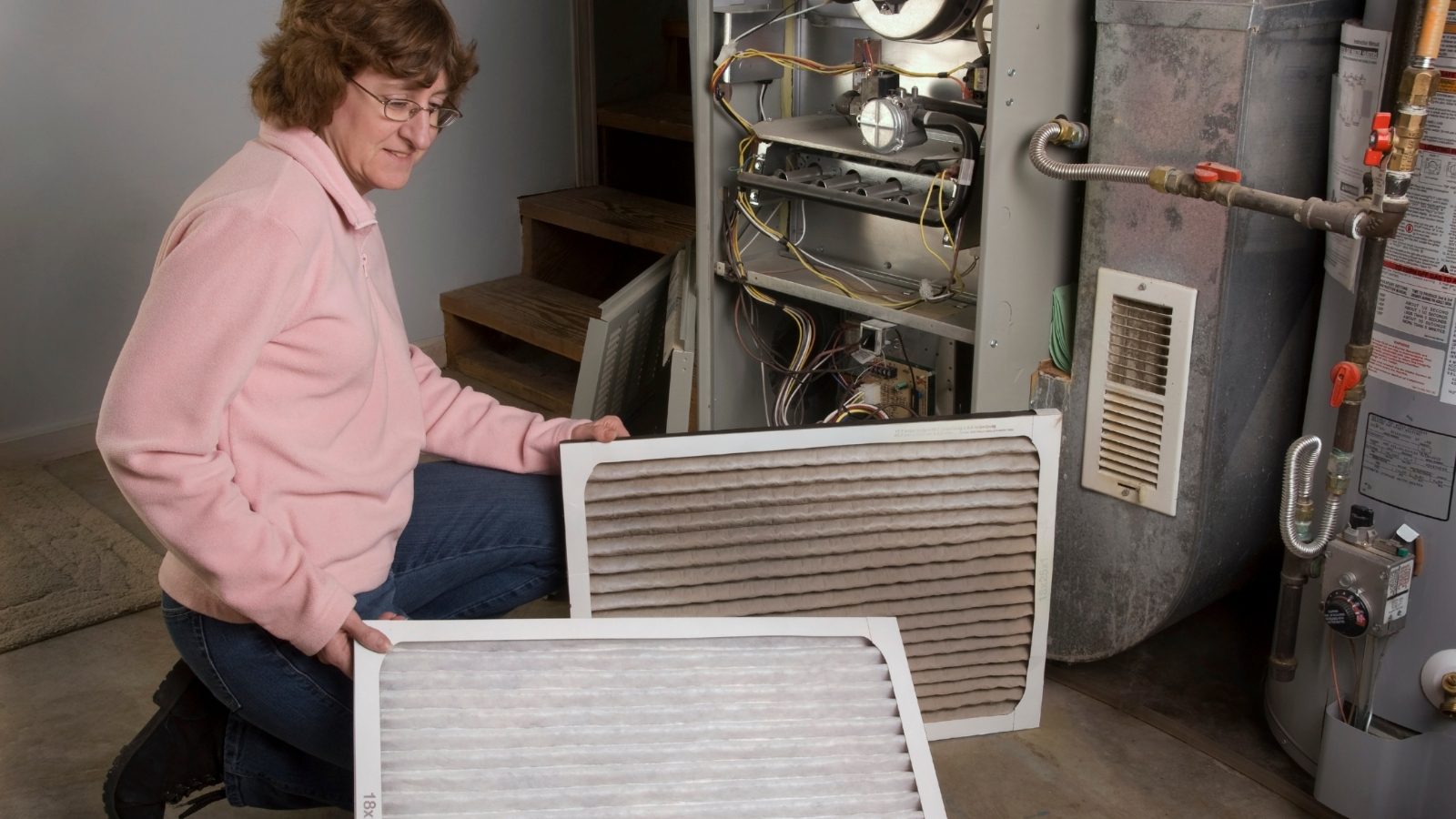
A clogged filter chokes airflow over the indoor coil, and the air coming out feels weak and lukewarm. The Department of Energy says replacing a dirty filter can lower an AC’s energy use by 5% to 15%, and that dirt on the indoor coil reduces airflow and its ability to absorb heat. ENERGY STAR suggests checking the filter once a month.
If the filter is gray and caked, replace it, wait an hour and see whether the air coming out gets colder.
Check 3: The breakers
Central air usually has a breaker in the main panel for the outdoor unit and one for the indoor air handler or furnace, plus a shutoff box on the wall near the outdoor unit. The DOE says to inspect fuses or breakers first, and to let the unit cool about five minutes before resetting. If the breaker trips again, stop resetting it; see our guide to a breaker that keeps tripping.
The DOE also notes that if a central unit’s compressor stops on a hot day, its high-pressure limit switch may have tripped, and on some units it can be reset with a button in the compressor’s access panel. If you’re not comfortable opening the panel, leave that to the technician.
Check 4: The outdoor unit
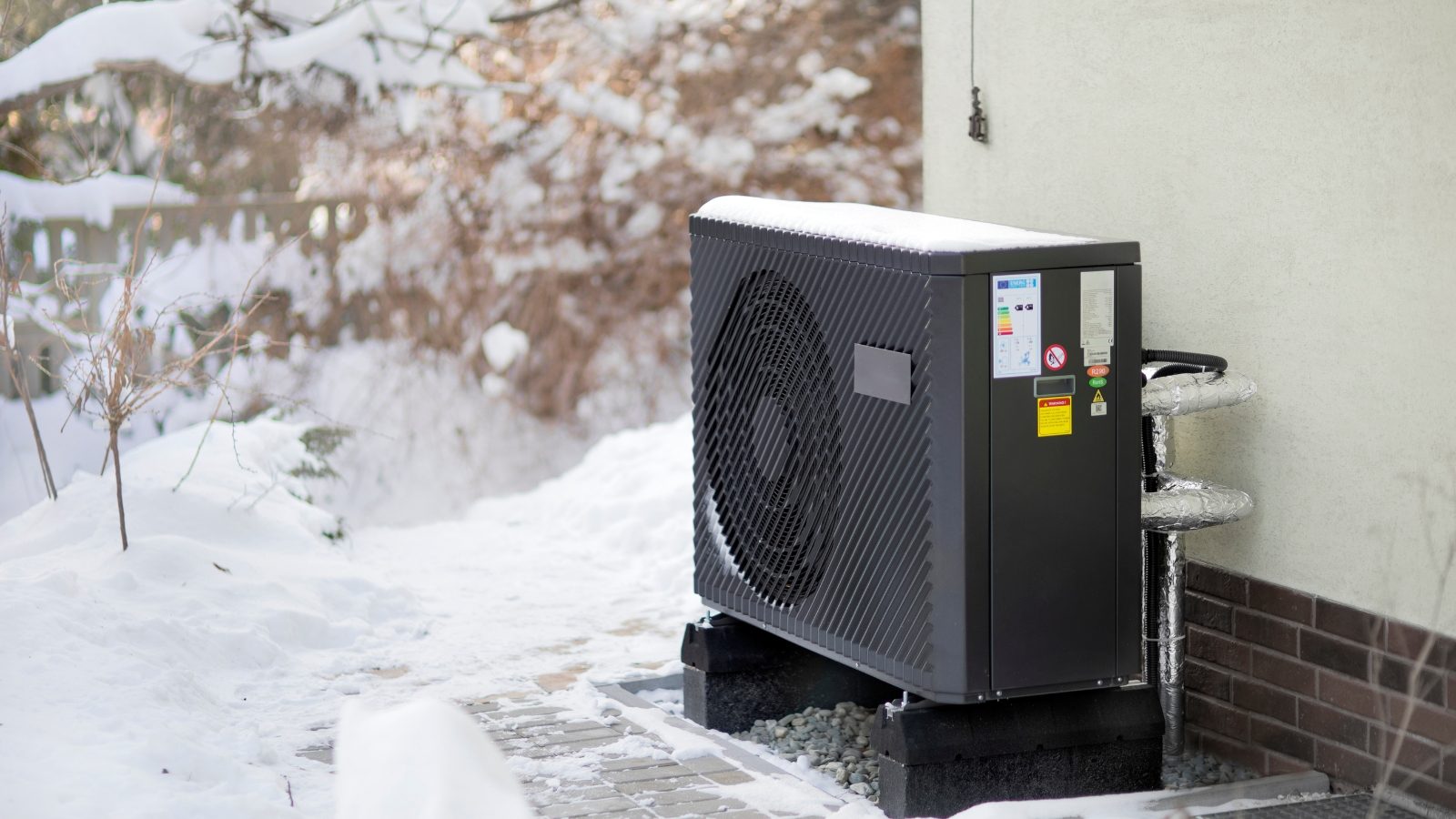
Go outside while the AC is calling for cooling. You should hear the compressor and see the big fan on top spinning. If the fan isn’t turning, or you hear humming with no fan, turn the system off at the thermostat and call a technician.
If it’s running, look at the fins around the sides. The DOE says dirt on the condenser coil is easy to see collecting on the fins, and recommends keeping at least 2 feet of clearance around the unit. Clear away leaves, grass clippings and overgrown shrubs.
Advertisement
If you see ice
Frost or ice on the copper refrigerant line at the outdoor unit, or on the indoor coil, means the coil is too cold. Common reasons are restricted airflow (a clogged filter, closed vents or a failing blower) or low refrigerant. Turn the cooling off so the ice can melt. Running it frozen can damage the compressor. Then call a technician.
Low refrigerant is a leak. Air conditioners don’t use up refrigerant. The DOE says low refrigerant usually means the system was undercharged when it was installed, or it leaks, and that simply adding refrigerant is not a solution. A technician should find and repair the leak, then charge it correctly. Be wary of a quote to “top it off” every summer.
If water is leaking from the indoor unit
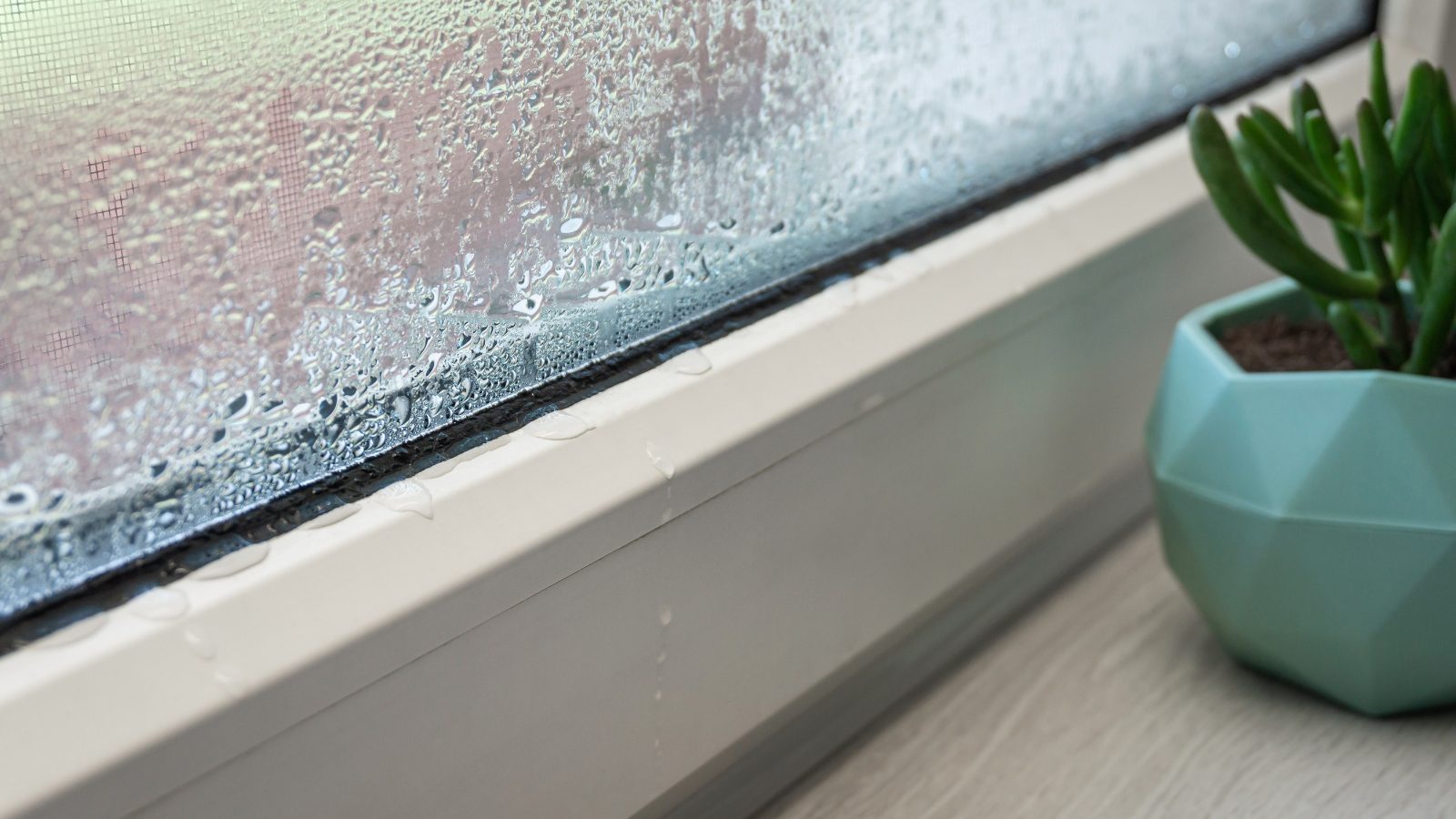
As your AC cools, it pulls water out of the air and sends it down a condensate drain. When that line clogs, water backs up. The DOE says a clogged drain stops the unit from removing humidity and can stain walls or carpet, and ENERGY STAR warns a plugged drain can cause water damage. The DOE suggests occasionally running a stiff wire through the drain channels. Many systems also have a safety switch that shuts the AC off when the drain pan fills, which can look like an AC that just stopped cooling.
Repair or replace?
When a technician says the fix is a major part, a compressor or a whole outdoor unit, the system’s age matters. InterNACHI estimates central air conditioners last about 7 to 15 years. If yours is near the end of that range and needs an expensive repair, get a replacement quote too. If you’re replacing it anyway, a heat pump can take over cooling and most heating; see heat pump vs. furnace.
A home warranty may cover some AC repairs, minus a service fee and with limits. Read our honest math on whether a home warranty is worth it before you count on one.
Your next step
Don’t wait for the first heat wave. ENERGY STAR recommends a cooling tune-up in spring, before contractors get busy. Put in a fresh filter, clear around the outdoor unit and run the AC for a few minutes on the first warm day. If it’s feeling sticky inside even when it cools, see why your house is so humid.
Advertisement
Questions readers ask
Why is my AC running but not blowing cold air?
Start with the simple things: the thermostat set to cool and below room temperature, a clogged air filter, a tripped breaker for the outdoor unit, or an outdoor unit choked with debris. If those check out, the cause may be a frozen coil, a refrigerant leak or a failed part, which need a technician.
Can a dirty filter stop an AC from cooling?
It can hurt it a lot. The Department of Energy says replacing a dirty, clogged filter can lower an air conditioner's energy use by 5% to 15%, and dirt on the indoor coil reduces airflow and its ability to absorb heat.
Should I just add refrigerant?
No. The Department of Energy says low refrigerant usually means the system was undercharged when installed or is leaking, and that simply adding refrigerant is not a solution. A technician should find and fix the leak.
Why is water leaking from my AC?
Often a clogged condensate drain. The DOE says a blocked drain stops the unit from removing humidity and can stain walls or carpet. ENERGY STAR notes a plugged drain can cause water damage.