How to Flush a Water Heater (and How Often You Really Need To)
Sediment shortens a water heater's life and makes it rumble. Here's how to drain and flush a tank heater safely, what to do differently with a tankless unit, and when to leave it to a plumber.
Rooftop Daily editors choose every topic independently. Some guides include labeled partner offers, and we may be paid when you request a quote. How we make money
In this guide
Minerals in your water settle to the bottom of a tank water heater over time. That layer of sediment can cause the rumbling some heaters make, and the Department of Energy says regular maintenance like flushing can significantly extend a heater’s life. Flushing it out is one of the few water heater jobs most homeowners can do themselves. It’s also one where the advice varies, so here’s what the sources actually say.
The short answer
Most tank water heater makers recommend a full flush at least once a year, and more often if you have hard water. The Department of Energy suggests a lighter version: draining about a quart every three months. To flush, turn off the power or gas and the cold-water supply, let the water cool, run a hose from the drain valve to a drain, and let it run until the water is clear. If your heater is 8 to 12 years old and has never been flushed, call a plumber first; forcing an old valve can start a leak.
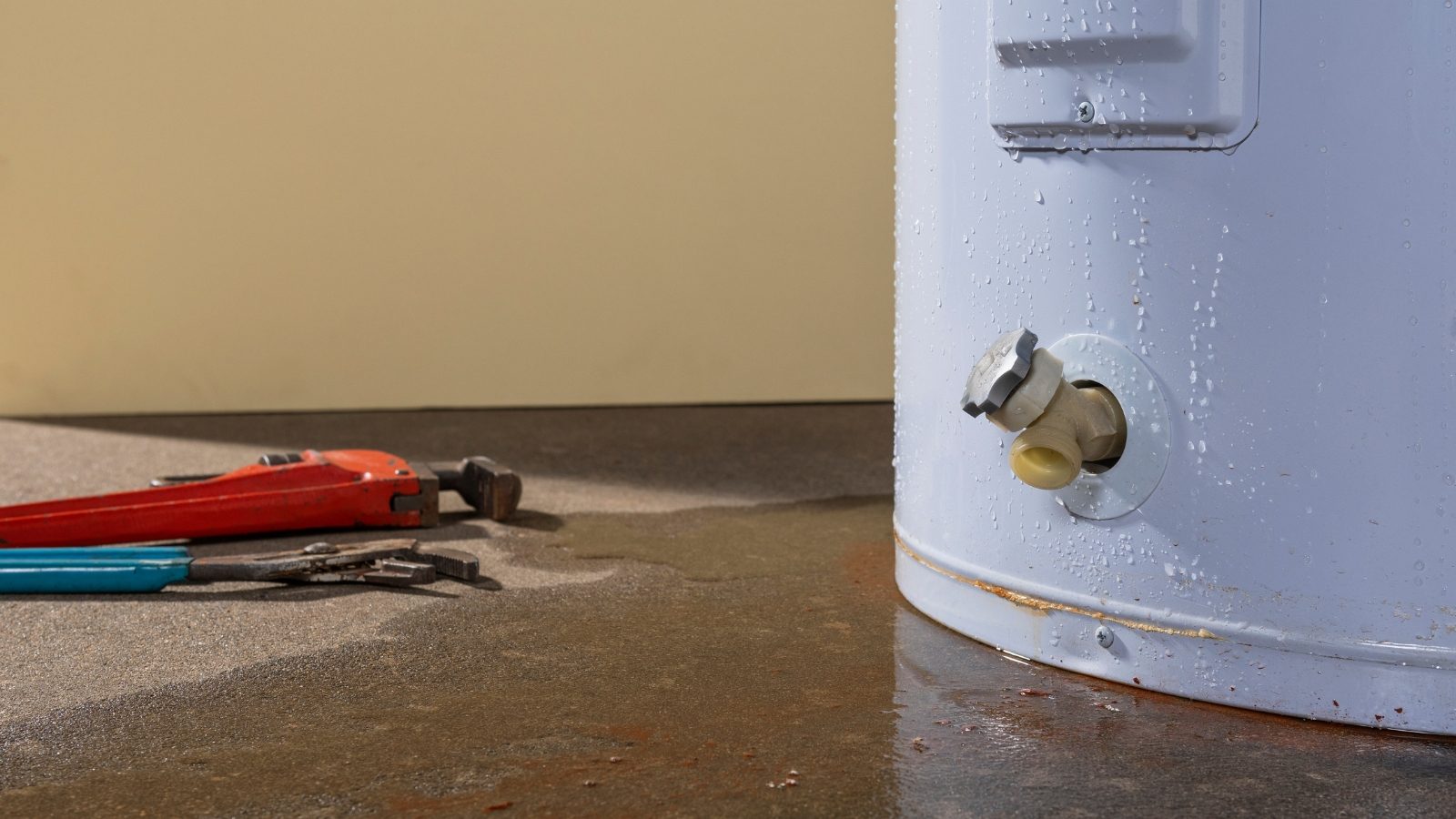
On a tank that’s never been drained, the first bucket can come out cloudy, with a layer of sand-like grit settling to the bottom. That grit has been building up at the bottom of the tank the whole time. If the drain valve won’t open, or the water never runs clear, that’s the point to stop and call a plumber, as the steps below explain.
How often, according to whom
| Source | Recommendation |
|---|---|
| Department of Energy | Drain about a quart every three months |
| Rheem | Flush once a year for most homes; every six months with hard water |
| A. O. Smith | Flush at least once a year; more often with hard water or signs of sediment |
| Your heater’s manual | The one that counts; follow it if it differs |
Our read: these work together rather than against each other. The quarterly quart is quick upkeep; the annual flush is the thorough version. Where your manual says something different, go with the manual.
Before you start
Call a pro
Water in the tank can be hot enough to scald. Turn the heater off and let it cool for a few hours before you drain it, as A. O. Smith advises, and wear gloves and eye protection. If you have a gas heater and aren’t comfortable relighting the pilot or restarting it per the manual, call a plumber.
Rheem recommends calling a professional instead of doing it yourself if:
- The drain valve won’t open, or leaks.
- There’s heavy rust or corrosion on the tank.
- The heater still makes noise after flushing.
- The unit is 8 to 12 years old or older.
- You’re unsure about the gas or electrical steps.
Rheem also warns that sediment in older tanks can harden, and that forcing a flush can cause leaks or damage.
You’ll need: a garden hose long enough to reach a floor drain or the outdoors, a bucket, gloves, eye protection and a free afternoon.
Advertisement
How to flush a tank water heater
This combines Rheem’s and A. O. Smith’s instructions. Where they differ, the difference is noted. Check your manual too.
- Turn off the energy. For an electric heater, switch off its breaker. For gas, turn the control to off, as your manual describes.
- Let it cool. A few hours is safest.
- Shut off the cold-water supply at the valve on the pipe going into the top of the heater.
- Attach a garden hose to the drain valve near the bottom, and run the other end to a floor drain, a utility sink or outside, somewhere that can handle hot, gritty water.
- Let air in. A. O. Smith says to open a hot water tap somewhere in the house. Rheem says to open the tank’s pressure relief valve. Either one lets air into the system so the tank drains freely.
- Open the drain valve and let the tank empty. A. O. Smith suggests running it until the water comes out clear. If sediment clogs the valve, stop and call a plumber.
- Close the drain valve and remove the hose. If you opened the relief valve, close it.
- Refill. Turn the cold-water supply back on and open the hot taps in the house. When water flows steadily from them with no sputtering air, close them.
- Turn the energy back on only after the tank is full. Relight or restart a gas heater following the manufacturer’s instructions.
This weekend
Look at what comes out in the first bucket before you send the hose to the drain. Sandy or white flecks are sediment. Lots of it means you should flush more often. Rusty water from the tank itself can be an early sign the tank is wearing out.
Flushing a tankless water heater
Tankless units don’t hold a tank of water, so there’s nothing to drain. Instead, scale builds up inside the heat exchanger, and the fix is descaling. Navien recommends descaling at least once a year, and more often with hard water, higher temperature settings or heavy use. It says neglecting it can damage the heat exchanger and shorten the unit’s life.
The process uses a small submersible pump, a bucket and two hoses connected to service valves on the unit. White vinegar or a descaling solution circulates through the heater for about 45 minutes, then fresh water flushes it out. A. O. Smith notes that some models need a bypass valve set or a service mode turned on first.
Navien warns that improper descaling can damage the unit and could void the warranty, and recommends a professional unless you have plumbing experience. If you’ve never done it, have a plumber do the first one and watch.
While you’re down there
The Department of Energy also recommends checking the relief valve every six months and the anode rod every three to four years. The anode rod is a metal rod that corrodes so the tank doesn’t. If your hot water smells like rotten eggs, the anode may be the reason; our guide to why a house smells like rotten eggs explains.
And look at the label for the heater’s age. The DOE says tank heaters typically last about 10 to 15 years. If yours is near that range, flushing won’t add much life, and it’s time to start budgeting for a replacement. Our leaking water heater guide covers replacement costs.
Your next step
Put a recurring reminder on your calendar for the same weekend every year, and a smaller one every three months for the quart drain. The first time, do it with the manual open. For the other big systems worth keeping an eye on, see how long things last.
Advertisement
Questions readers ask
How often should you flush a water heater?
Advice varies. The Department of Energy suggests draining about a quart from the tank every three months. Water heater makers Rheem and A. O. Smith recommend a full flush at least once a year, and more often with hard water. Check your heater's manual, which overrides general advice.
Is it bad to flush an old water heater that's never been flushed?
It can be risky. Rheem says hardened sediment in older tanks may need specialized tools, and that forcing a flush can cause leaks or damage. It recommends calling a professional for heaters 8 to 12 years old or more, or with heavy rust.
How do you flush a tankless water heater?
Tankless units are descaled rather than flushed: a small pump circulates white vinegar or a descaling solution through the unit, then fresh water rinses it. Navien recommends descaling at least once a year, more often with hard water, and suggests a professional if you lack plumbing experience.
How long does it take to flush a water heater?
Start with the cooling time: A. O. Smith suggests letting the water cool for a few hours before draining, to avoid scalds. How long the draining and refilling take depends on the tank size and how much sediment comes out.