How Long Things Last: Roof, Furnace, Water Heater and More
A plain table of how long the big parts of a house usually last, the signs each one is near the end, and how to turn your house's ages into a replacement budget.
Rooftop Daily editors choose every topic independently. Some guides include labeled partner offers, and we may be paid when you request a quote. How we make money
In this guide
Every house has a few big expenses quietly counting down. The trick isn’t knowing that a water heater will fail someday; everyone knows that. It’s knowing that yours is 11 years old, that the furnace is 19, and that the roof went on the year your oldest was born, so the money is ready before the leak.
The short answer
As a rough guide from the home inspectors’ association InterNACHI: asphalt roofs last about 20 to 30 years, gas furnaces 15 to 25, central air conditioners 7 to 15, heat pumps 10 to 15, and tank water heaters about a decade (the Department of Energy says 10 to 15). Dishwashers and microwaves average around 9 years; ranges last longer. Find the age of each big system in your house, compare it with the table below, and start saving for anything within five years of the end.
A common surprise: the listing called the water heater “newer,” so you never thought about it. Years later, a plumber reads the date on its label and points out it was already eight years old the day you moved in. That’s why the first step below is reading the labels yourself instead of trusting what you were told at closing.
The lifespan table
These are estimates from InterNACHI’s life expectancy chart, which assumes regular maintenance and normal wear. The chart itself says to treat them as guidelines, not guarantees. Climate, installation quality and how hard a system works can move any of them in either direction.
The numbers
| Item | Typical life (years) |
|---|---|
| Asphalt shingle roof, 3-tab | about 20 |
| Asphalt shingle roof, architectural | about 30 |
| Metal roof | 40–80 |
| Gas furnace | 15–25 |
| Boiler | about 40 |
| Heat pump | 10–15 |
| Central air conditioner | 7–15 |
| Water heater, tank | 6–12 (DOE: 10–15) |
| Water heater, tankless | about 10 (DOE: about 20) |
| Aluminum gutters | 20–40+ |
| Vinyl or fiberglass windows | 20–40 |
| Wood windows | 30+ |
| Sump pump | about 7 |
| Garage door opener | 10–15 |
| Smoke alarm | under 10 |
| Dishwasher | about 9 |
| Refrigerator | 9–13 |
| Washer | 5–15 |
| Dryer | about 13 |
| Range, gas | 15–17 |
| Microwave | about 9 |
| Garbage disposal | about 12 |
Sources: InterNACHI, Standard Estimated Life Expectancy Chart for Homes; U.S. Department of Energy, “Which Water Heater Is Right for You?” for the DOE water heater figures.
Two notes on reading it. Where sources disagree, we show both: the Department of Energy is more optimistic about water heaters than InterNACHI, so plan on the shorter number and be pleased if you get the longer one. And roofs in particular vary a lot with weather; a hail belt roof can be done long before its rating.
Advertisement
How to find out how old your stuff is
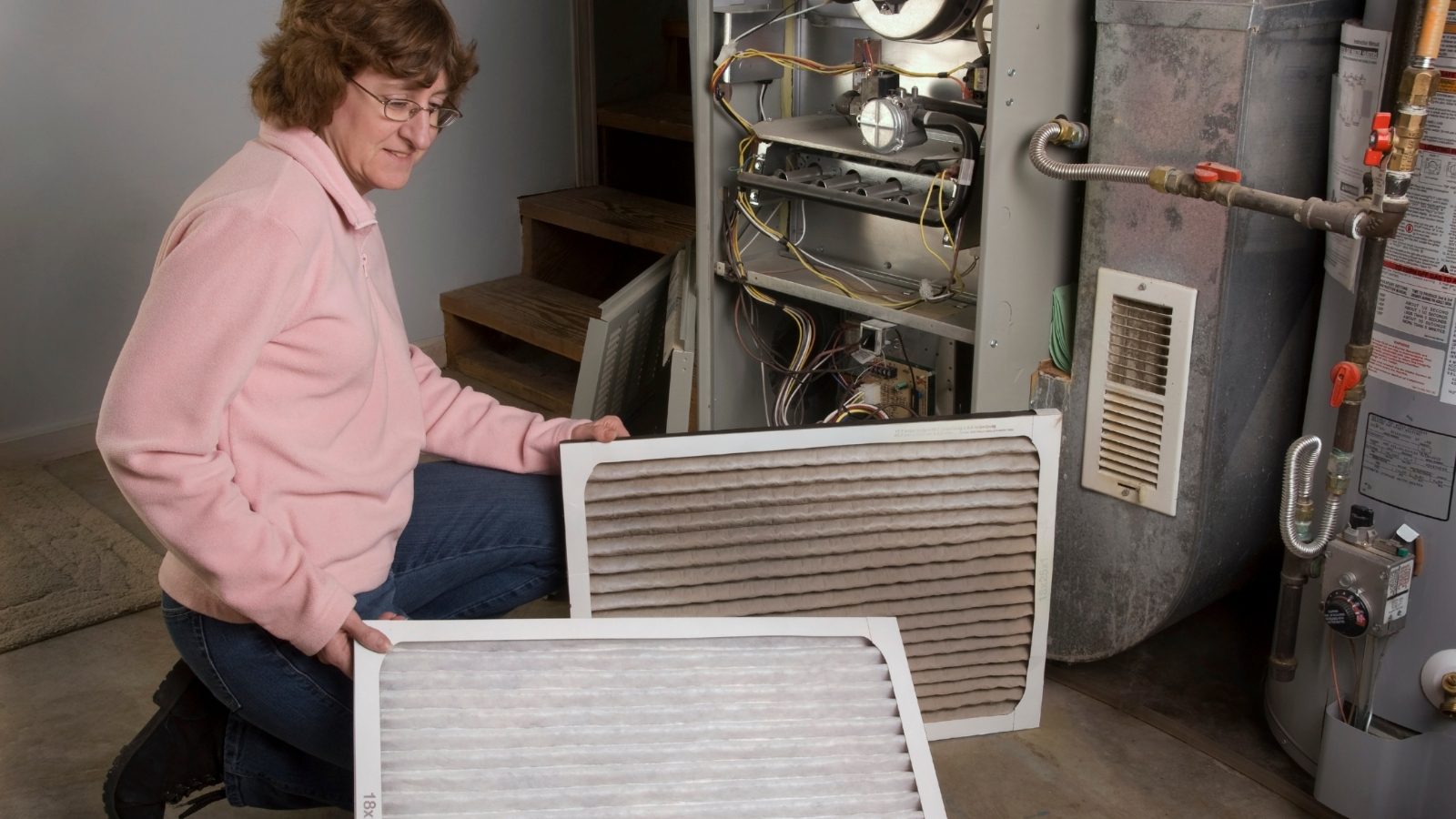
- Furnace, AC, heat pump, water heater. Look for the data plate or sticker on the unit. Many list a manufacture date. Others hide it in the serial number; the manufacturer’s website or a technician can decode it.
- Roof. Check your closing documents or the home inspection report from when you bought the house. Permits are often searchable through your town or county. Neighbors who’ve been around longer often remember the roofers.
- Appliances. The model and serial label is usually inside the door frame (dishwasher, oven, refrigerator) or on the back.
Write the ages down in one place. A note on your phone is fine. You’ll use it every time something makes a new noise.
The signs each one is near the end
These are the clues technicians and inspectors look for. None of them is a death sentence alone, but two or three on an older unit usually means it’s time to plan.
Furnace or boiler. Repairs that keep coming back, rooms that don’t heat evenly, a system that cycles on and off often. ENERGY STAR’s rule of thumb is that if two or more warning signs apply, it’s time to consider replacing. Our furnace repair-or-replace guide walks through the math.
Air conditioner or heat pump. Same signs, plus a unit that struggles to keep up on hot days. ENERGY STAR’s guidance generally favors replacing cooling equipment once it’s past about 10 years.
Water heater. Rust-colored hot water, rumbling or popping from the tank, and any moisture around the base. A leak at the bottom of the tank usually can’t be repaired.
Roof. Curling, cracked or missing shingles, granules collecting in the gutters, and daylight or stains in the attic. Insurers start asking questions once a roof passes 20 years, according to the Insurance Information Institute. See what a new roof costs.
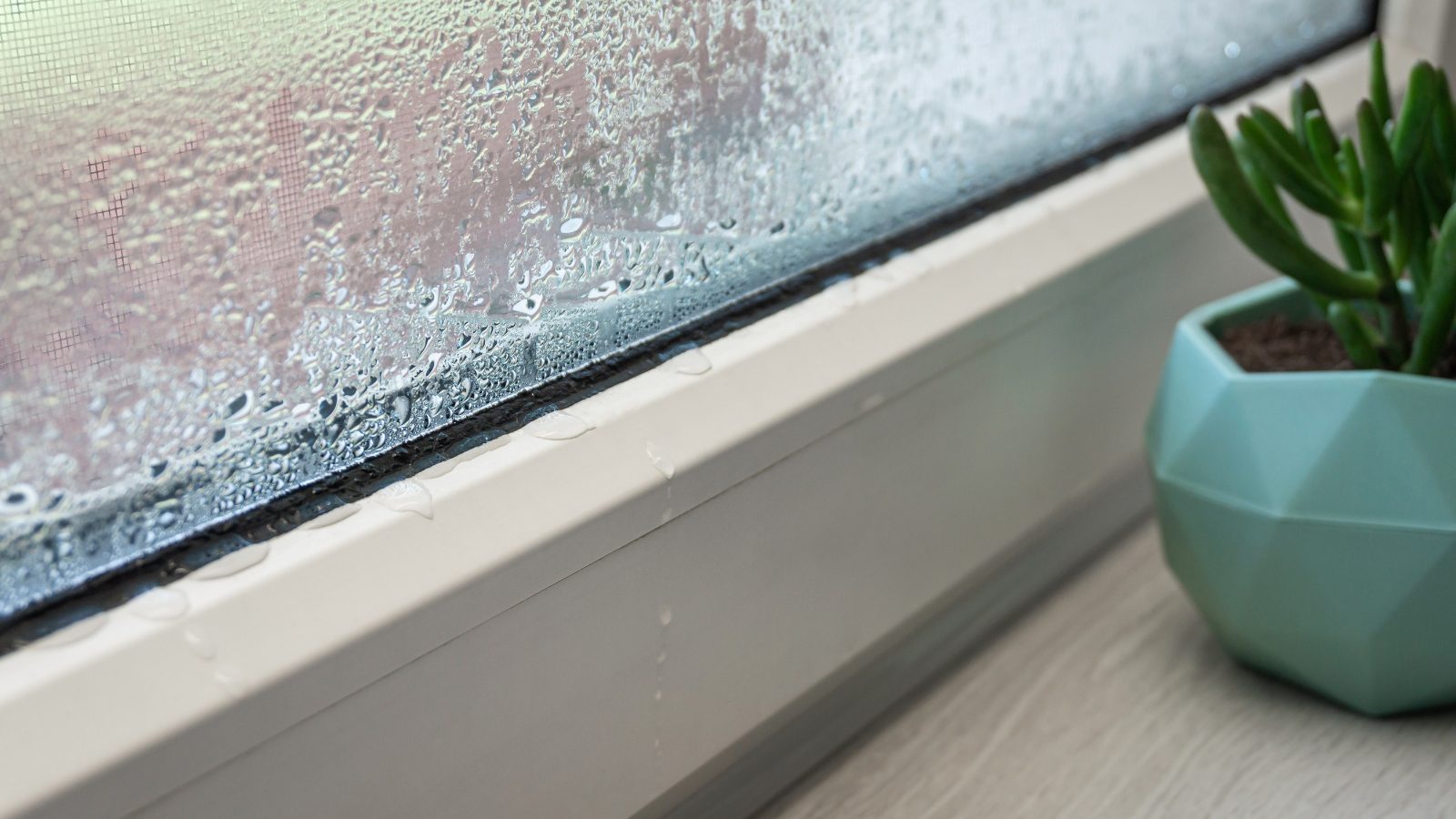
Windows. Fogging between the panes of double-glazed windows, soft or rotting wood frames, and sashes that won’t stay open.
Sump pump. Test it every fall by pouring water into the pit. With an expected life of about seven years, a pump that’s never been replaced is worth a look before spring.
Turn the ages into a budget
Here’s a simple way to make the table useful. For each big system, divide its replacement cost by the years it has left. Add those up, and you have a monthly number to set aside.
Say your furnace is 17 years old. This Old House puts the average replacement at about $4,800 in 2026. If you plan on 20 years, you have about three left: roughly $135 a month. A 10-year-old water heater with an estimated $1,800 replacement and three years left is another $50 a month. It adds up fast, which is the point; it’s better to see it now than at 2 a.m. in January.
Some homeowners prefer to pay a fixed monthly fee for a home warranty instead of building their own fund. That trade-off gets its own article: is a home warranty worth it? For the bigger jobs, see how to pay for a big home repair.
Your next step
Spend 20 minutes this weekend with a flashlight and your phone: photograph the data plate on the furnace, AC, water heater and major appliances, and note the roof’s age. Put the list somewhere you’ll find it. That single note is the most useful home-maintenance document you’ll own.
Advertisement
Questions readers ask
How long does a water heater last?
The U.S. Department of Energy says a storage-tank water heater lasts about 10 to 15 years and a tankless unit about 20. The home inspectors' association InterNACHI uses a shorter 6 to 12 years for tank models, so start planning once yours passes 10.
How long does a furnace last?
InterNACHI estimates 15 to 25 years for a gas furnace with regular maintenance. A heat pump runs shorter, about 10 to 15 years.
How long does an asphalt shingle roof last?
InterNACHI estimates about 20 years for 3-tab shingles and 30 for architectural shingles, assuming normal maintenance and no severe weather damage.
How do I find out how old my furnace or water heater is?
Look at the data plate or sticker on the unit. Many show a manufacture date; others encode it in the serial number. If you can't decode it, a technician can, or you can search the manufacturer's serial number format.