Cracks in Walls, Ceilings and Foundations: Which Are Normal?
Most houses crack a little, and most of those cracks are cosmetic. A few are the house telling you something. Here's how to tell the difference, how to watch a crack, and who to call.
Rooftop Daily editors choose every topic independently. Some guides include labeled partner offers, and we may be paid when you request a quote. How we make money
In this guide
You notice it while painting, or hanging a picture, or lying in bed: a thin line in the ceiling, or a crack running up from the corner of a doorway. Then you start seeing them everywhere. Houses move. Wood shrinks as it dries, concrete shrinks as it cures, and the ground under a house shifts with moisture and seasons. Most cracks are a side effect of that and nothing more. The job is to spot the few that aren’t.
The short answer
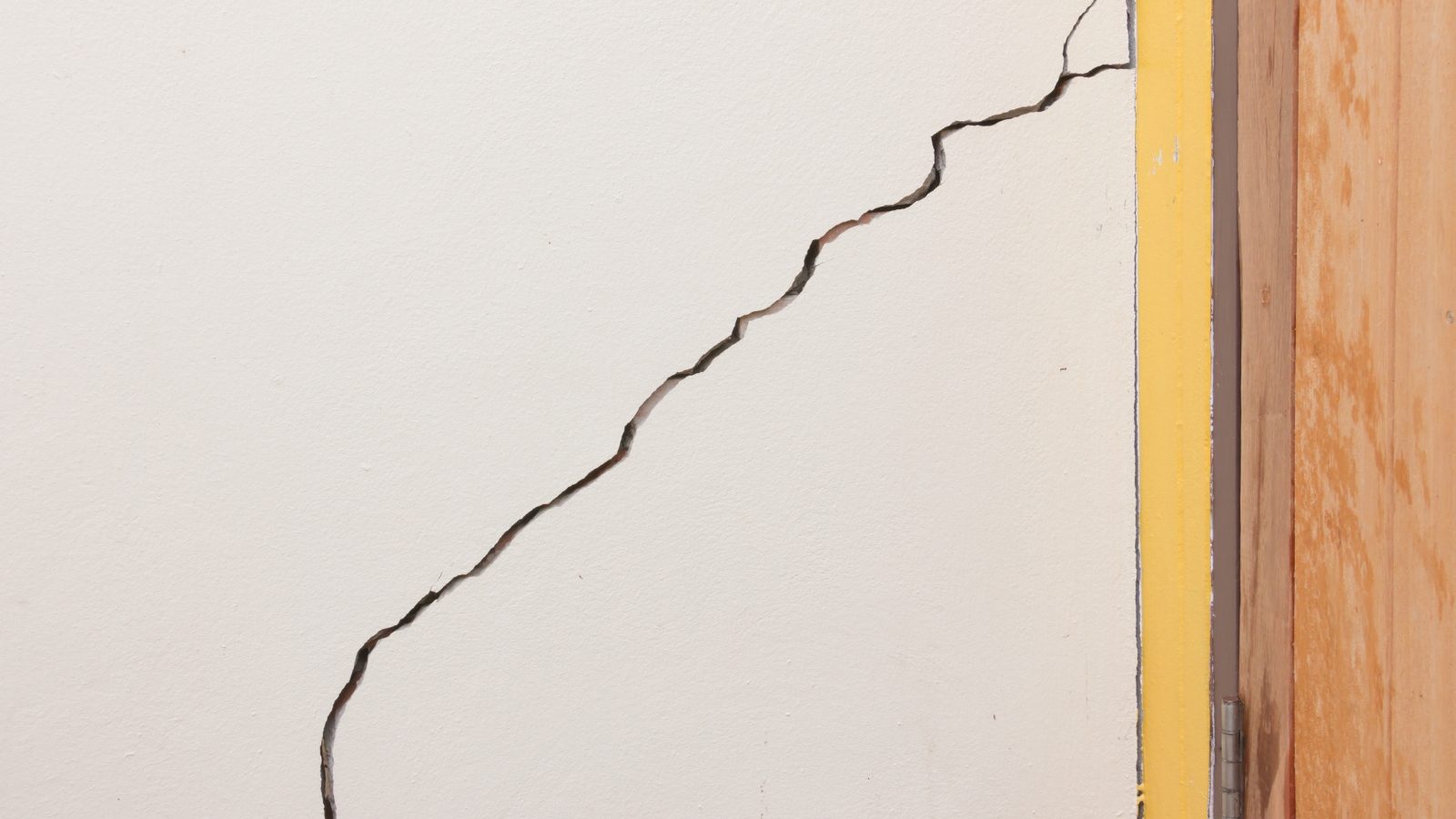
Thin, straight or hairline cracks in drywall or plaster, especially along tape seams or from the corners of doors and windows, are usually cosmetic. In a foundation, thin vertical cracks are common. Pay attention to horizontal cracks in a foundation wall, stair-step cracks in block or brick, cracks wider than about 1/4 inch, one side of a crack sitting higher or further out than the other, and any crack that keeps growing. For those, call an independent structural engineer before a repair company.
Picture a hairline crack running up from the corner of a bedroom door. You notice it in March, mark both ends with a pencil and the date, and check again in June and September. If the crack still stops right at your marks, you’ve learned what you needed without paying for an inspection, and you can patch and paint it. If it has grown past them, you have a record to show an engineer.
Cracks in drywall and plaster
Bob Vila’s guide to ceiling cracks sorts them roughly like this:
Usually cosmetic: - Straight cracks along the joints between drywall sheets, where the tape has loosened. The guide says these are not a structural or safety hazard. - Fine, spiderweb-like cracks in thick textured finishes. - Hairline cracks from normal settling, which can usually be re-taped and painted.
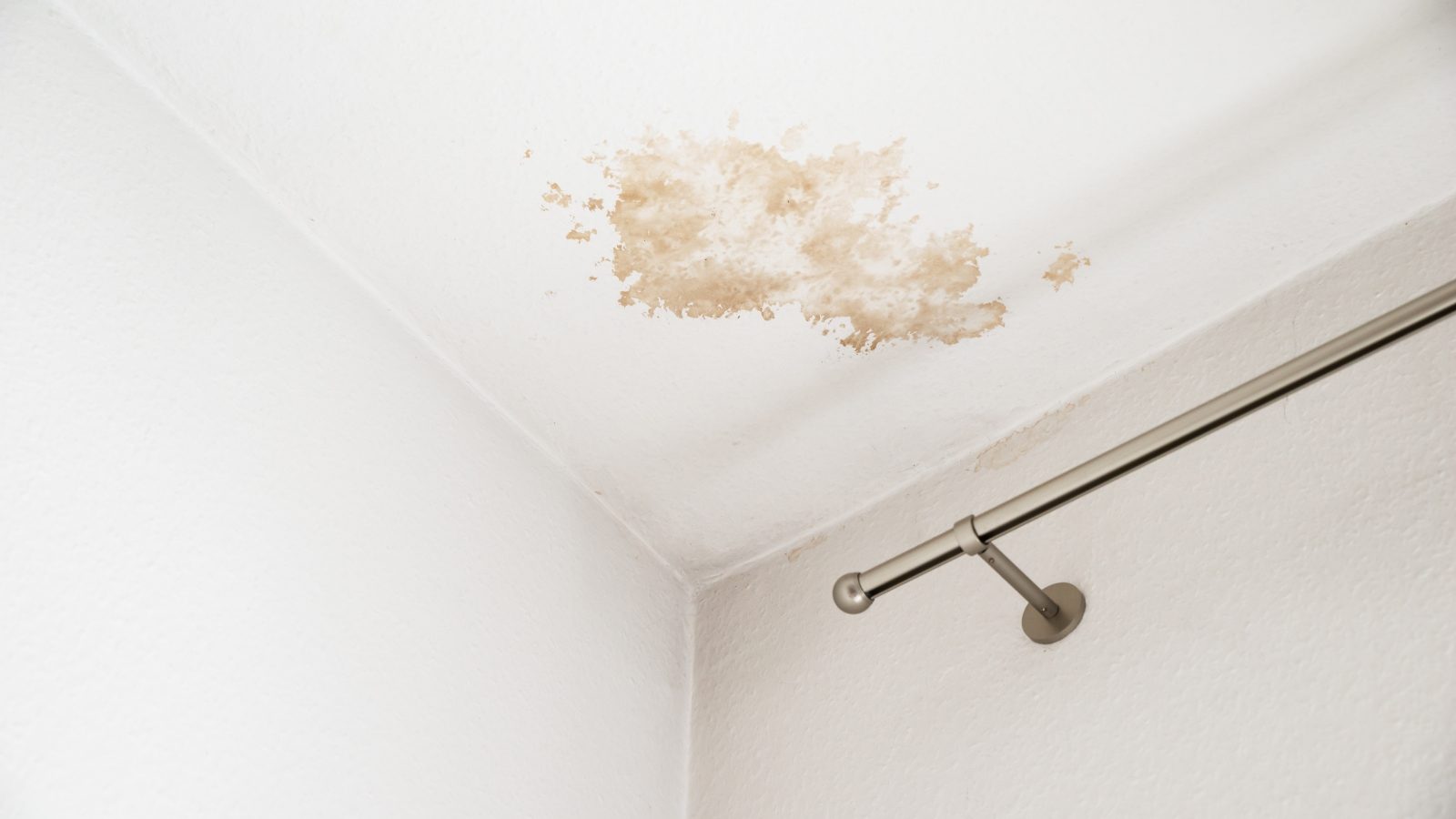
Worth a closer look: - Cracks wider than about 1/8 inch, which the guide says may signal a structural issue. - Cracks with a water stain or soft, swollen drywall around them. That’s a leak first; fix it before patching. See our roof leak guide. - A crack or gap where the ceiling meets an interior wall. The guide says this can come from truss uplift, where the roof trusses move, and recommends a professional to correct how the ceiling is fastened. - A ceiling that sags or bows. That needs prompt attention from a structural engineer or a reputable builder.
Cracks in the foundation
Concrete shrinks as it cures, and some cracking in a poured foundation is expected. Shipshape, a home-management company that sells crack monitors, classes vertical cracks as the least concerning type unless they’re wider than 1/4 inch, and hairline cracks under 1/16 inch as cosmetic.
The patterns that deserve a professional’s eye:
- Horizontal cracks in a foundation wall. InterNACHI’s inspection manual calls horizontal cracking in brick and block foundation walls potentially serious, because it indicates the wall may be bent or broken. Shipshape calls horizontal cracks the most concerning direction.
- Stair-step cracks that follow the mortar joints in block or brick, which Shipshape associates with uneven settling.
- Cracks wider than about 1/4 inch, which Shipshape treats as structural and says need an engineer’s assessment.
- Displacement: one side of the crack sits higher, lower or further out than the other.
- A wall that bows or leans inward.
- Cracks that keep growing.
Call a pro
If a basement wall is visibly bowing or leaning, a crack is widening quickly, or doors and windows have suddenly started jamming across one part of the house, call a structural engineer now rather than waiting to monitor it.
Advertisement
How to watch a crack
Most cracks don’t need a decision today. They need a few months of watching.
- Mark the ends with a pencil line and the date.
- Measure the width at its widest point. A ruler marked in 1/16ths works, or a crack-width card from a hardware or engineering supply store.
- Photograph it with a ruler or coin beside it, from the same spot each time.
- Check again every month or two, and especially after a season changes or a long dry or wet spell.
If the crack hasn’t grown past your marks and its width hasn’t changed after several months, that’s a good sign. If it’s growing, call an engineer and bring your photos. InterNACHI’s manual makes the point that the same crack width can mean very different things in a new house and a 50-year-old one, which is why a record over time is worth more than one measurement.
Engineer first, then a repair company
A foundation repair company that inspects your crack is also the company that would sell you the fix. An independent structural engineer charges for the visit and has nothing to sell you afterward. For a crack that worries you, the engineer’s report tells you whether you need a repair, what kind and how urgently, and gives you a specific scope to get contractor quotes against. InterNACHI’s manual recommends referring masonry problems to a structural engineer, and notes that a soil engineer may be needed if settlement is suspected.
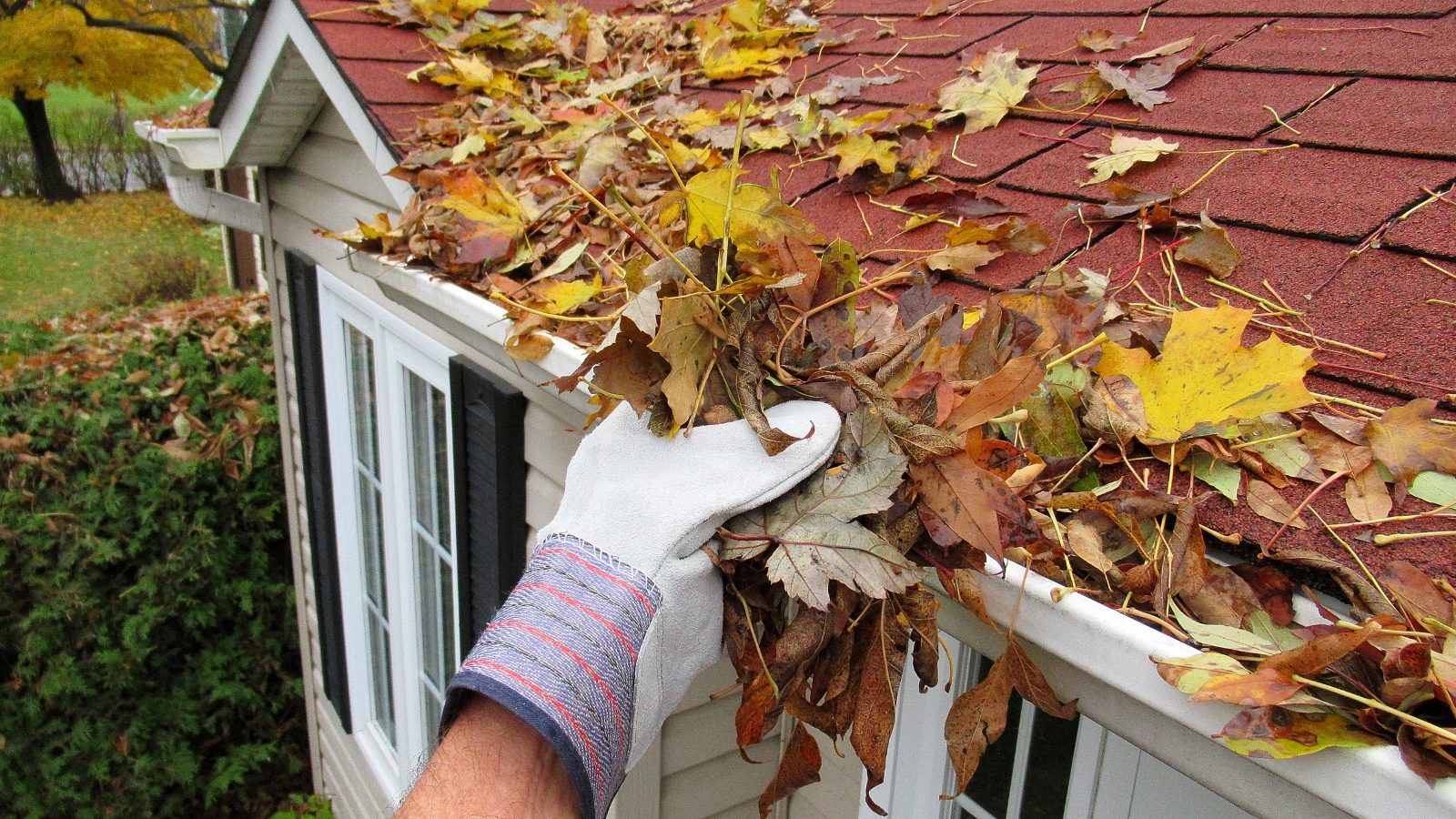
Whatever the crack turns out to be, keeping rainwater away from the foundation is cheap and worth doing. Iowa State University Extension recommends that the soil drop at least 6 inches in the first 10 feet from the house, and that downspouts discharge 5 to 10 feet away if you have basement water problems. Our guide to water in the basement after rain has more.
Does insurance cover cracks?
Usually not. NerdWallet’s guide says homeowners insurance doesn’t usually cover foundation cracks, and treats gradual settling as normal wear and tear. Coverage may apply when the damage comes from a covered, sudden event; the guide’s example is a burst pipe. Damage that comes from a long-running leak that was never fixed would likely be denied. Floods and earthquakes generally need separate policies.
If you live where earthquakes or floods are a real risk, check whether you have that coverage. Our guide to what homeowners insurance doesn’t cover walks through each gap.
Your next step
Walk the house with a pencil, a ruler and your phone. Mark and photograph every crack you’ve been wondering about, and set a reminder to look again in two months. If anything on the “deserve a professional’s eye” list is already there, skip the waiting and call an engineer.
Advertisement
Questions readers ask
Are cracks in the ceiling normal?
Many are. Straight cracks along drywall tape and fine hairline cracks are usually cosmetic. Bob Vila's guide says cracks wider than about 1/8 inch, cracks with water stains, and any ceiling that sags or bows need attention, and a sagging ceiling calls for a structural engineer or builder promptly.
Which foundation cracks are serious?
Horizontal cracks in a foundation wall, stair-step cracks in block or brick, cracks wider than about 1/4 inch, cracks where one side has shifted past the other, and any crack that keeps getting wider. A home inspectors' manual from InterNACHI calls horizontal cracking in brick and block walls potentially serious. Those are reasons to have a structural engineer look.
Should I call a structural engineer or a foundation repair company?
For a crack you're worried about, start with an independent structural engineer. An engineer is paid to assess the problem, not to sell the repair. If repair is needed, the engineer's report gives you something specific to get contractor quotes against.
Does homeowners insurance cover foundation cracks?
Usually not. NerdWallet's guide says home insurance doesn't usually cover foundation cracks, and treats gradual settling as wear and tear. Damage from a covered, sudden event, such as a burst pipe, may be covered. Earthquakes and floods generally need separate policies.