Roof Leaking? What to Do Tonight and Before You Call Your Insurer
A drip in the ceiling feels like an emergency, and sometimes it is. Here's how to limit the damage safely, what usually causes the leak, what repairs cost, and how to handle the claim.
Rooftop Daily editors choose every topic independently. Some guides include labeled partner offers, and we may be paid when you request a quote. How we make money
In this guide
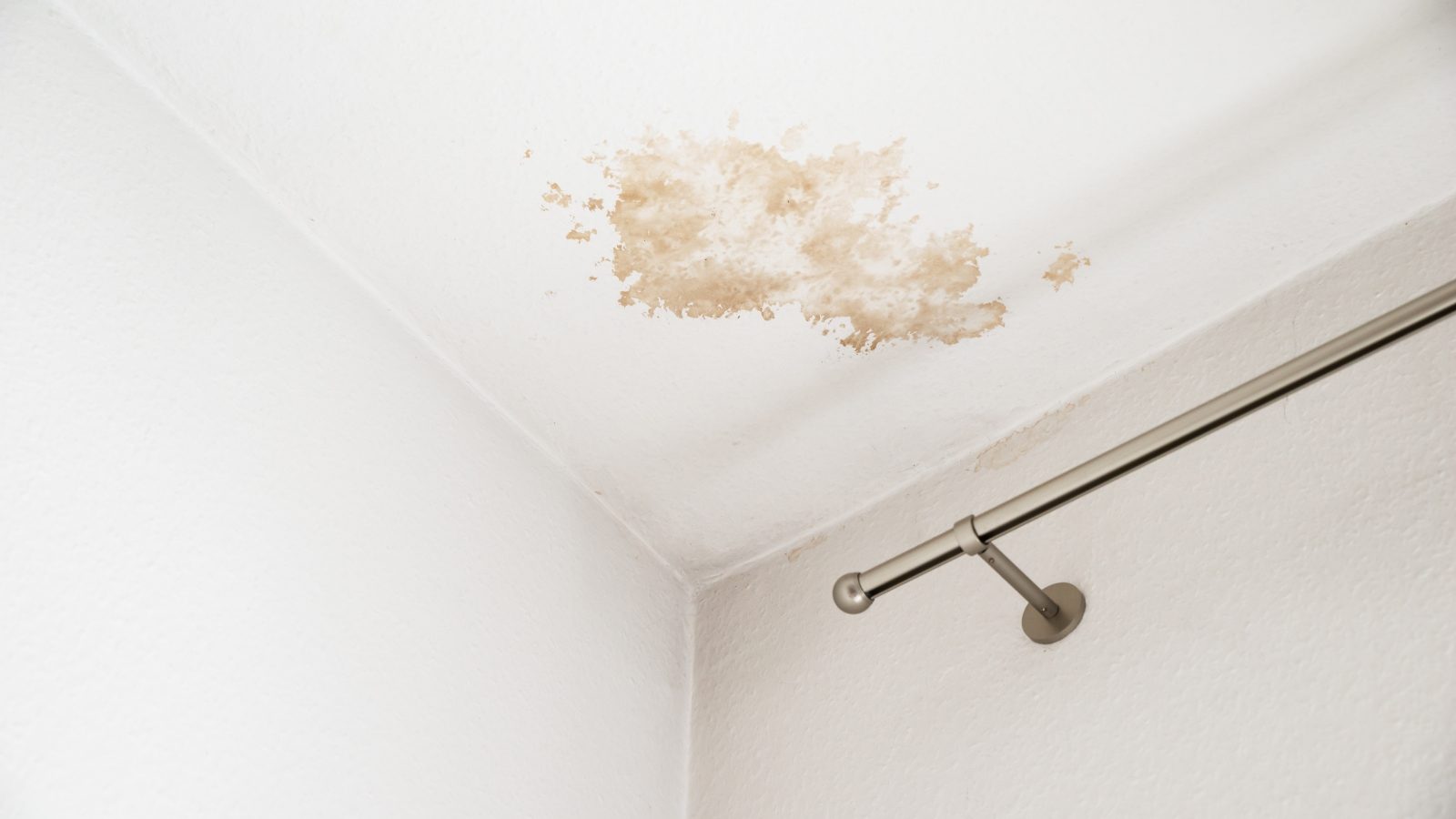
It’s usually the sound that gives it away: a steady tap in a room where nothing should be dripping. By the time you see a ceiling stain, water has often been running through the attic for a while. You can’t fix the roof tonight. You can keep a small leak from becoming a ceiling, a floor and a mold problem.
The short answer
Tonight: catch the water, move what you can, cut power to any wet light fixture or outlet at the breaker, and photograph everything. Tomorrow: call a roofer for a temporary tarp or repair, and find the cause. Most leaks come from flashing, vent boots or damaged shingles, and Fixr puts the average repair at about $800. Call your insurer if a storm caused it; leaks from an old, worn roof usually aren’t covered.
A leak over a bedroom can start several feet away. In a common version, the stain appears near an interior wall, but the real source is a cracked rubber collar around a plumbing vent pipe higher up the roof. The water runs down the roof deck and along a rafter before it finds a spot to drip. That’s why the attic check below matters.
Tonight: limit the damage
Call a pro
Don’t go up on the roof in the rain, wind, ice or dark. A wet roof is slippery even for professionals. If water is coming through a light fixture or near outlets, switch off that circuit at the panel before you touch anything nearby.
- Catch the water. Buckets, pots, a storage bin. Lay a towel inside the bucket to stop splashing, and put plastic or a tarp under it to protect the floor.
- Move what matters. Electronics, rugs, furniture and boxes out of the drip zone. Cover what you can’t move.
- Turn off power to wet fixtures. A guide from AmeriPro Roofing, distributed by Stacker, warns that electrical hazards from a leak can lead to fire, injury and even death.
- Photograph and note the time. The stain, the dripping, damaged belongings. Insurers will want to know when you found it.
If the ceiling is bulging
A sagging bubble in drywall means water is pooling on top of it. Left alone, it can tear open and dump all of it at once. The AmeriPro guide’s advice is to shut off electricity to the area, put a bucket underneath, stand on something stable, and gently poke the center of the bulge with a screwdriver to let the water drain in a controlled way. That’s a small hole to patch later instead of a collapsed ceiling.
Tomorrow: get it covered, then find the cause
If it’s dry and you have attic access, go up with a flashlight. Look for wet sheathing, dripping nails or daylight, and follow the water trail uphill. Water runs along rafters and the roof deck before it drips, so the hole in the roof can be several feet from the stain on your ceiling.
Then call a roofer. Ask for a temporary repair or a tarp that day if more rain is coming, and a written estimate for the permanent fix. Fixr notes that emergency repairs generally cost more than scheduled ones, which is one more reason to get the temporary fix done and the permanent one quoted properly.
This weekend
In the attic, push a long nail or a piece of wire up through the roof deck at the wettest spot (only if your roofer says to). It gives the roofer an exact mark to find from outside.
What usually causes a roof leak
- Flashing. The metal strips around chimneys, skylights, walls and valleys. When they lift, rust or lose their sealant, water gets underneath.
- Vent boots. The rubber collars around plumbing vent pipes crack with age and sun.
- Damaged or missing shingles, often after a windstorm.
- The chimney itself, including its cap, crown and mortar.
- Ice dams. In cold climates, the University of Minnesota Extension explains that heat escaping into the attic melts snow, which refreezes at the eaves and backs water up under shingles.
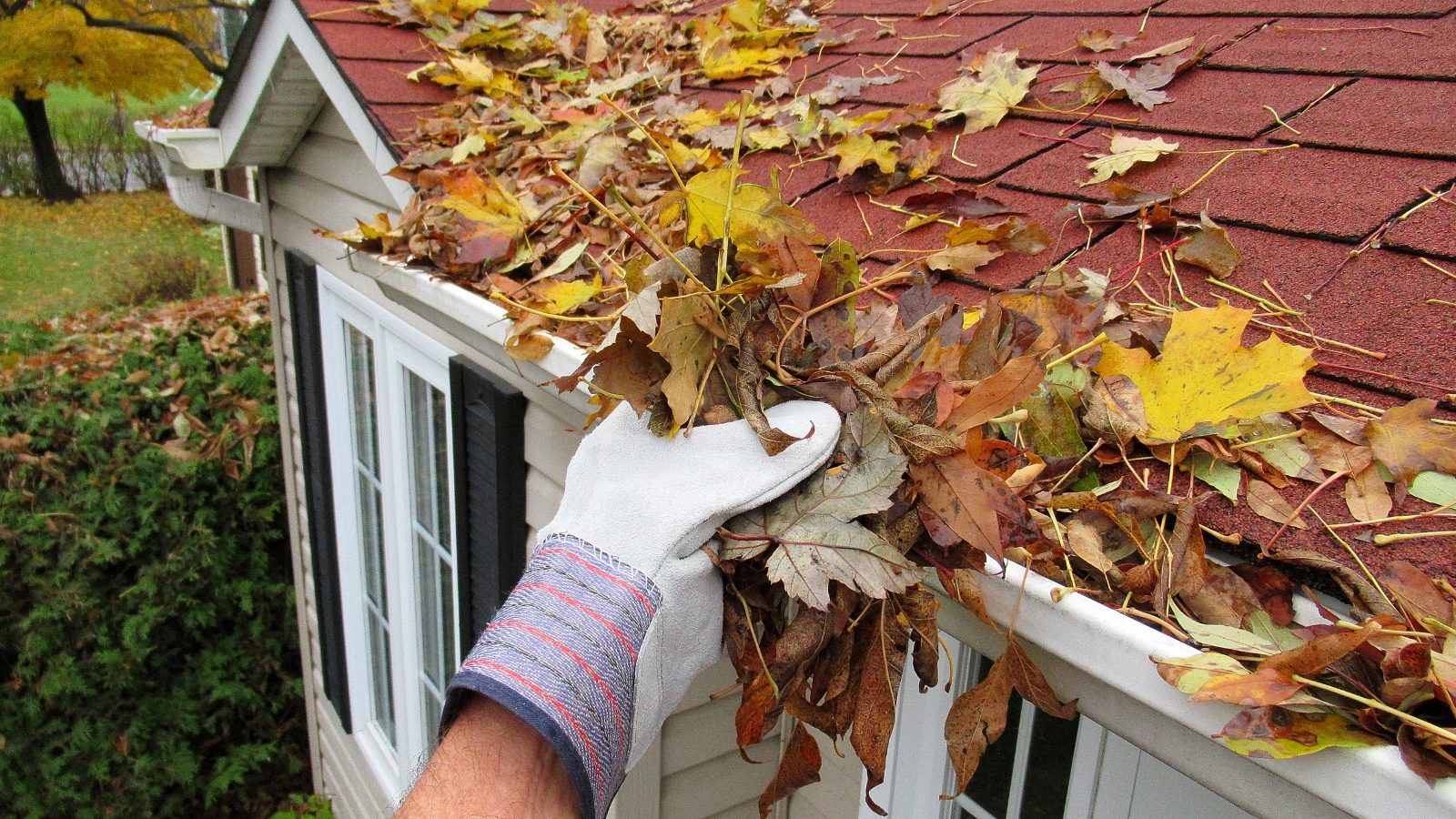
- Clogged gutters, which can push water back under the roof edge. See our gutters guide.
Advertisement
What a roof leak repair costs in 2026
The numbers
| What’s leaking | Typical repair cost |
|---|---|
| Vent boot | about $100 – $600 |
| Missing or damaged shingles | about $150 – $450 |
| Flashing | about $200 – $600 |
| Chimney | about $200 – $3,500 |
| Average roof leak repair | about $800 (most $350 – $1,500) |
Source: Fixr, “How Much Does It Cost to Repair a Roof Leak? [2026 Data],” updated January 2026, based on pricing databases, contractors and industry experts. Costs run higher in big cities and high-cost states. Repairs to ceilings and walls inside the house are a separate cost.
If your roof is near the end of its life, a string of leak repairs can cost more than it saves. Our guide to what a new roof costs walks through replacement prices and how to compare quotes.
Should you call your insurance company?
It comes down to the cause, the age of the roof and your deductible.
- Storm damage is generally covered. NerdWallet’s guide gives the example of wind blowing off shingles: the new shingles and the resulting water damage would likely be covered, with exceptions in some high-risk coastal areas.
- Wear and tear generally isn’t. In the same guide, an 18-year-old roof leaking from age is a case where the policy “is unlikely to help.”
- Older roofs may be paid at depreciated value. The Insurance Information Institute says some insurers limit claims on roofs more than 20 years old to actual cash value rather than replacement cost.
- Compare the repair to your deductible. If an $800 repair sits under a $1,000 or 1%-of-dwelling deductible, a claim may not pay anything.
If you do file, report it promptly. NerdWallet’s claims guide says you can make temporary repairs if it’s safe, such as covering a hole, and submit those costs with the claim. Insurers may not fully cover damage you could have prevented. Keep every receipt; the guide says estimates alone won’t do.
For the full picture on what policies exclude, see what homeowners insurance doesn’t cover, and for why premiums climb after roof claims, see why your home insurance went up.
Watch for storm chasers
After a big storm, some contractors go door to door. The Better Business Bureau warns that some offer free inspections, then fabricate damage or pressure homeowners into work. Hire a roofer you found yourself. The National Roofing Contractors Association suggests checking for a permanent place of business, proof of liability insurance and workers’ compensation, and any license your state requires. Get the proposal in writing.
Your next step
If you’re reading this with a bucket under the ceiling, do the four steps in “Tonight” and call a roofer in the morning. If you’re reading it on a dry day, go into the attic with a flashlight after the next heavy rain and look for wet spots, before they show up on your ceiling.
Advertisement
Questions readers ask
What should I do first when my roof is leaking?
Catch the water, move belongings, and if water is near light fixtures or outlets, turn off power to that area at the panel. Photograph everything, then call a roofer. Don't climb onto a wet roof in the dark or in a storm.
How much does it cost to fix a roof leak?
Fixr's 2026 cost guide puts the average roof leak repair at about $800, with most jobs between $350 and $1,500. Replacing damaged shingles is often at the low end; chimney repairs can run much higher.
Does homeowners insurance cover a leaking roof?
It depends on the cause. Damage from a covered event, such as wind blowing shingles off, is generally covered. Leaks from age and wear usually aren't. Older roofs may be covered only at actual cash value. Check your policy and deductible before you file.
Will insurance pay for a temporary repair like a tarp?
Often, as part of a covered claim. Policies generally expect you to prevent further damage once it's safe to do so. Keep the receipts and photos of what you did and why.