How Much Does a New Roof Cost in 2026?
Asphalt shingles on an average house land around $10,000, metal closer to $40,000, and your quote can swing either way. Here's what drives the price and how to read the estimate.
Rooftop Daily editors choose every topic independently. Some guides include labeled partner offers, and we may be paid when you request a quote. How we make money
In this guide
Search for the cost of a new roof and you’ll see averages that don’t agree, because most of them blend a $10,000 shingle job with a $45,000 tile job and call the middle “average.” That number is useless for planning. The material you choose sets the range, and your roof’s size, pitch and condition decide where in that range your quote lands.
The short answer
For a typical 2,000-square-foot roof, builder-grade asphalt shingles cost about $10,300 installed, wood shake about $26,300, metal about $38,600 and clay tile about $44,400, according to 2026 data compiled by This Old House. Steep roofs, multiple stories, a damaged deck or a full tear-off push your price up. Get at least three written quotes and compare them line by line, not just by the total.
Say you collect three quotes for the same roof and they land thousands of dollars apart. Side by side, the cheapest one leaves out new flashing and says nothing about rotted decking. The most expensive includes a premium shingle line you never asked for. The middle one is the only quote priced for the job you actually need, which is why the comparison section below matters more than any average.
What a new roof costs, by material
These are installed prices for a 2,000-square-foot roof with builder-grade materials and average labor, from This Old House’s 2026 roof cost guide, which uses Homewyse cost data. Roofers often price by the “square,” which is 100 square feet of roof, so a 2,000-square-foot roof is 20 squares.
The numbers
| Material | Per square foot, installed | 2,000 sq ft roof | Rated lifespan |
|---|---|---|---|
| Asphalt shingles | $5.16 | about $10,300 | 30–35 years |
| Wood shake | $13.15 | about $26,300 | 30–50 years |
| Metal | $19.30 | about $38,600 | 40–70 years |
| Clay tile | $22.21 | about $44,400 | 50–100 years |
Source: This Old House, “New Roof Cost Guide (2026),” updated October 2026, using Homewyse data for low-slope, standard roofs. Lifespans are material ratings; real-world life depends on climate, ventilation and installation.
A word on lifespans. The ratings above are what the materials are designed for. In the same guide, This Old House’s longtime general contractor says asphalt shingles easily last 15 to 20 years, with basic shingles rated for 25. Plan your budget on the realistic number, not the label.
Why your quote will differ
Labor is about 65% of the total cost of a roofing job, according to This Old House. That’s why two roofs with the same shingles can be priced thousands of dollars apart. The main things that move it:
- Size and shape. More squares, more valleys, dormers and chimneys mean more material and more hours.
- Pitch. Steep roofs need safety equipment and slower work. Very low-slope roofs need a waterproof membrane instead of shingles alone.
- Stories and access. A two-story house or a roof over a tight lot costs more to work on than a ranch with open driveway access.
- What’s under the shingles. Rotted or soft decking has to be replaced, and nobody knows how much until the old roof is off.
- The extras. Permits, dumpster and disposal, new flashing, drip edge, underlayment, ventilation and any gutter work.
- Where you live. Labor rates vary widely by region.
Tear-off or overlay?
Where your local code allows a second layer, an overlay, meaning new shingles over the old ones, is usually faster and cheaper. The catch is that nobody sees the deck. Soft spots, rot and old leaks stay hidden under two layers, and the extra weight stays on the house. Many roofers recommend a full tear-off for that reason, and some shingle warranties have requirements about it.
Advertisement
How to read a roofing quote
Get at least three written quotes. The National Roofing Contractors Association says a proposal should fully describe the work and specifications, with start and finish dates and payment terms. Line them up on these points:
- Tear-off or overlay, and how many existing layers they’re removing.
- Decking. How they’ll price replacement sheets if they find rot. A per-sheet price in writing keeps the surprise small.
- Materials by name. Shingle brand and product line, underlayment type, and ice-and-water shield where it’s needed.
- Flashing and drip edge. New, or reused?
- Ventilation. Ridge vents, soffit vents, or both. Poor attic ventilation shortens roof life.
- Permit, cleanup and disposal. Included or extra.
- Warranties. The manufacturer’s warranty on materials and the contractor’s own warranty on workmanship, with lengths. NRCA advises reading exactly what would void it.
- Payment schedule. How much up front, and when the rest is due.
Will insurance pay for it?
Homeowners insurance pays for sudden damage from a covered event like wind or hail, less your deductible. It doesn’t pay to replace a roof because it’s old. Two details catch people out:
- Older roofs may be covered at actual cash value. The Insurance Information Institute says insurers may limit an older roof to its depreciated value instead of the cost to replace it, and often require an inspection once a roof passes 20 years.
- Wind and hail deductibles can be large. In storm-prone states they’re often a percentage of your dwelling coverage, typically 1% to 5%. On a $400,000 house, 2% is $8,000.
A new roof can also help at renewal. We cover how in why your home insurance went up.
Hiring a roofer, and avoiding storm chasers
NRCA’s checklist for vetting a roofer is short: a permanent place of business, a phone number, tax ID and business license where your state requires one, and current certificates for liability insurance and workers’ compensation that stay valid for the whole job.
Call a pro
After a hailstorm, be wary of anyone who knocks unannounced, says they’re “working in your area,” and offers a free inspection or an on-the-spot repair. The Better Business Bureau warns that some storm chasers fabricate damage, pressure homeowners into work they didn’t ask for, and skip written proposals. Before you sign anything, have your insurance company inspect the roof or get a second opinion from a roofer you chose yourself.
Advertisement
Paying for it
Few people have $10,000 to $40,000 sitting idle, and a roof can’t wait for a better year once it’s leaking. Compare the roofer’s financing with a home-equity line of credit, a home-equity loan or a personal loan before you sign; the monthly payment isn’t the only number that matters. Our guide to paying for a big home repair walks through each.
Your next step
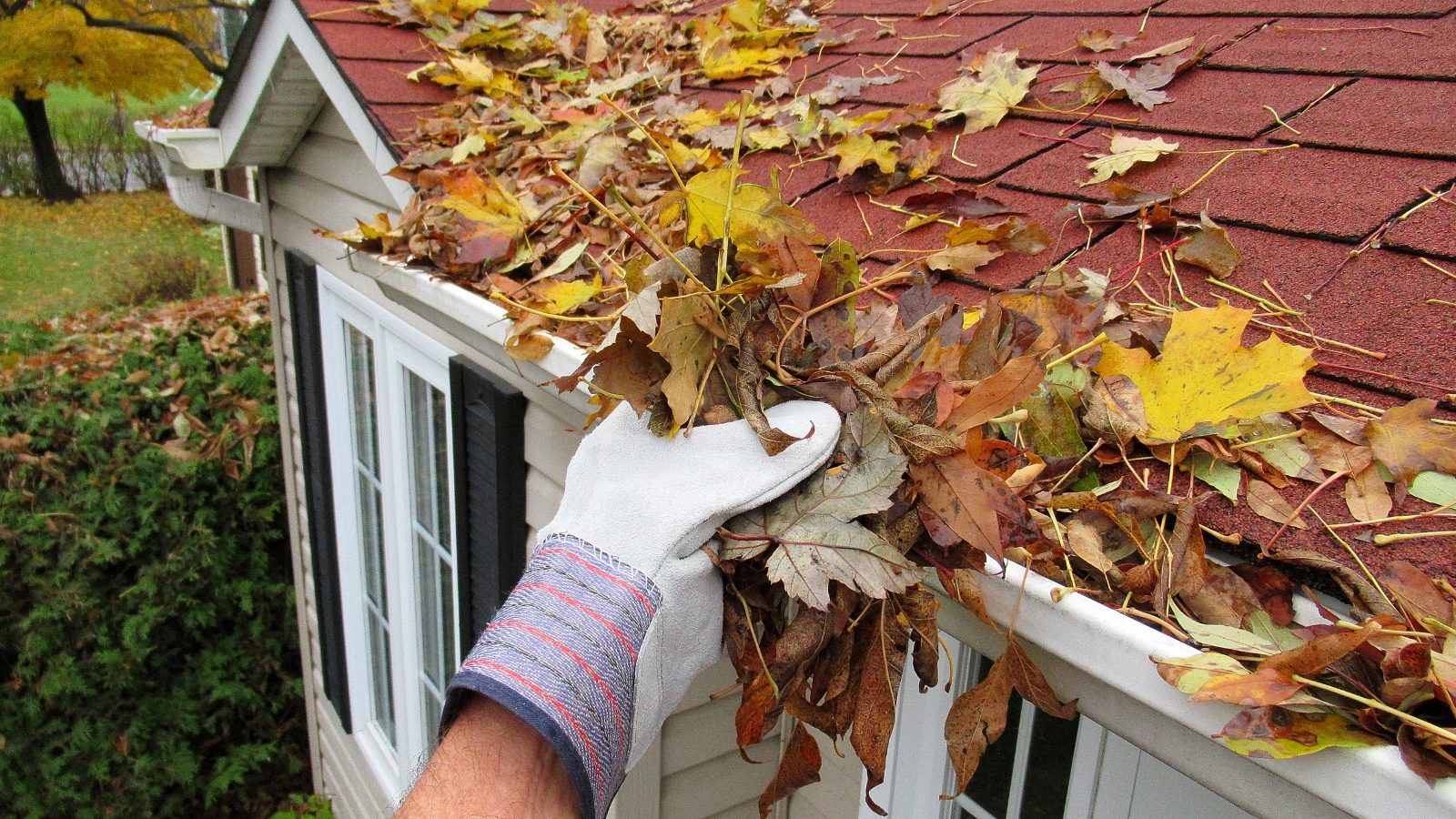
Find out how old your roof is. Check the closing documents from when you bought the house, or ask a neighbor who’s been there longer. If it’s past 15 years, walk it from the ground with binoculars this weekend, and keep the gutters clear in the meantime with our guide to cleaning, guarding or replacing them. If you see curling, missing or bald shingles, get quotes now, while you can pick the roofer and the timing. For the rest of your house’s big systems, see how long things last.
Questions readers ask
How much does a new asphalt shingle roof cost?
This Old House, using Homewyse data updated in October 2026, puts builder-grade asphalt shingles at about $5.16 per square foot installed, or roughly $10,300 for a 2,000-square-foot roof. Steep, complex or multi-story roofs cost more.
Is a metal roof worth the extra cost?
It can be if you'll stay in the house a long time. Metal costs roughly three to four times as much as asphalt in the same data, but it's rated to last decades longer. If you may sell within 10 years, asphalt is usually the better value.
Can I put new shingles over my old roof?
Sometimes. Where local code allows a second layer, an overlay is usually faster and cheaper. It also hides the condition of the roof deck, so many roofers recommend a full tear-off. Ask your roofer and check your local code.
Will my homeowners insurance pay for a new roof?
Only for sudden damage from a covered event, such as wind or hail, minus your deductible. Insurance doesn't pay to replace a roof that's simply old, and older roofs may be covered only at their depreciated value.