Why Does My House Smell Like Rotten Eggs or Sewer?
One version of this smell means leave the house now. The others usually mean a dry drain, a frozen vent or your water heater. Here's how to tell them apart, and what fixes each.
Rooftop Daily editors choose every topic independently. Some guides include labeled partner offers, and we may be paid when you request a quote. How we make money
In this guide
You walk in from the garage and there it is: a faint rotten-egg or sewer smell that wasn’t there this morning. Most of the time it’s a plumbing nuisance with a cheap fix. But one cause is an emergency, and it smells almost the same. So the first thing to settle is whether it could be gas.
The short answer
If it smells like rotten eggs anywhere near a gas appliance, gas line or meter, treat it as a gas leak: get everyone out, don’t touch switches, and call your gas company or 911 from outside. If you don’t have gas service, or the smell is clearly sewer-like and near a drain, the usual culprit is a dried-out drain trap; pour water down it. A smell that comes only from the hot water usually starts in the water heater.
A typical mystery: a faint sewer smell in the basement that comes and goes for weeks. Nothing is leaking, the toilets work fine, and the smell is strongest near the laundry area. The cause is a floor drain nobody has run water into in years; its trap has dried out. A quart of water down the drain, and the smell is gone by evening.
First: could it be gas?
Call a pro
Natural gas has no smell on its own. Gas companies add a chemical called mercaptan so it smells like rotten eggs and leaks can be noticed. If you smell it inside, especially if it’s strong or you’re not sure, leave the house first and call from outside.
Connecticut’s utility regulator spells out what to do when you smell gas:
- Don’t flip light switches on or off, use the doorbell, or operate electrical equipment near the smell.
- Don’t smoke, strike a match or use any open flame.
- Get everyone out and keep people away from the area.
- Call your gas company from a phone away from the smell, such as a neighbor’s.
- Don’t go back in until the gas company says it’s safe, and never turn the gas back on yourself.
While you’re thinking about invisible hazards: carbon monoxide has no smell at all. The CDC calls it an odorless, colorless gas that kills without warning, and recommends CO detectors near every sleeping area. Fuel-burning appliances that aren’t working or venting properly can produce it, so don’t rely on your nose.
A sewer smell near a drain: check the traps
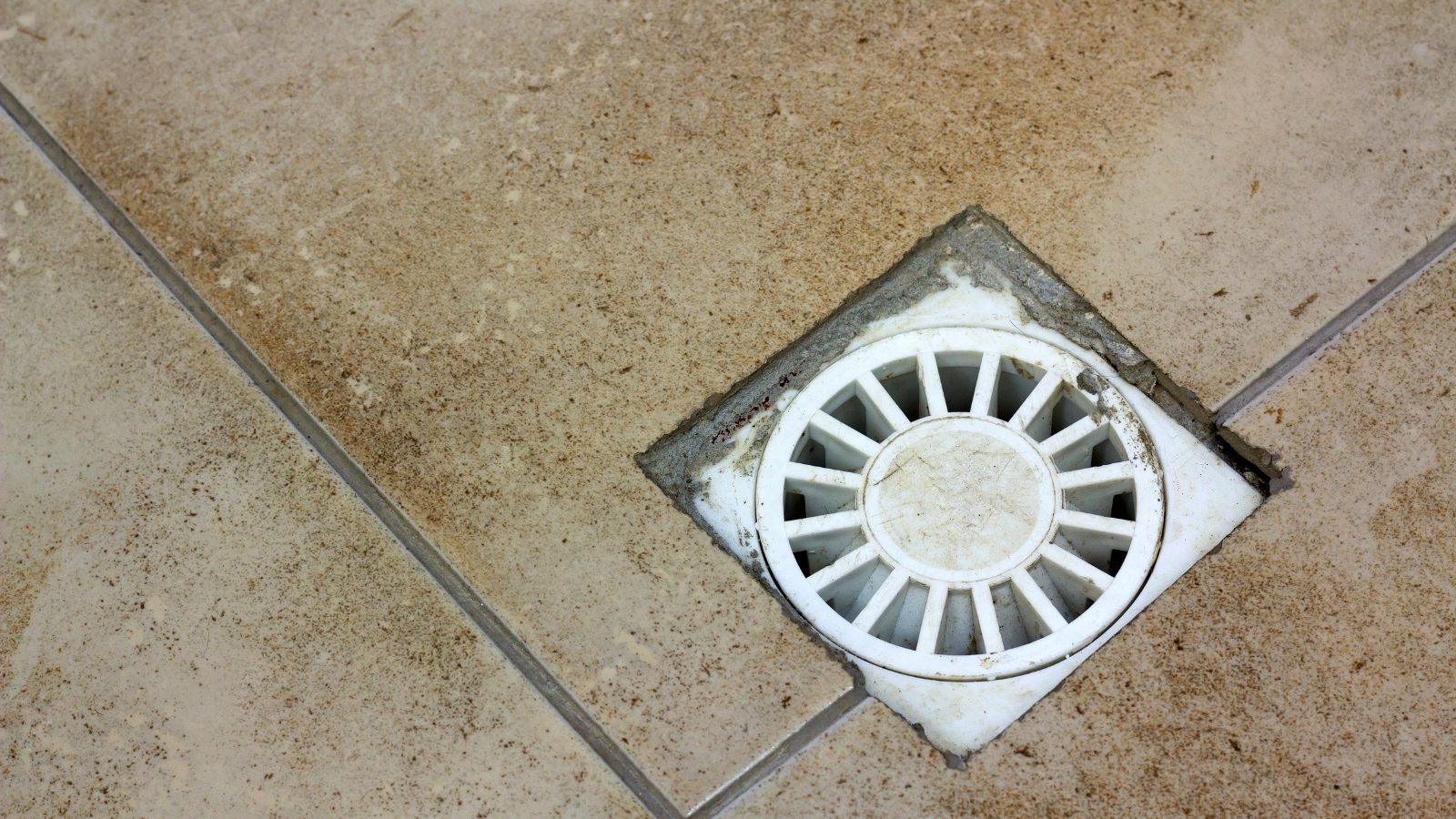
Every drain in your house has a trap, the U-shaped bend under a sink or below a floor drain. It holds a little water that blocks sewer gas from coming up into the room. When that water evaporates, the gas comes right through.
The Virginia Department of Health lists dry traps in sink and floor drains, especially rarely used ones, as a common cause of sewer smells in homes. The usual suspects: a basement floor drain, a guest bathroom shower, a utility sink.
The fix takes a minute. NDSU Extension suggests pouring a quart of water into the drains every three to four weeks to keep the traps full.
This weekend
Add a phone reminder for the first of each month: run water in the guest shower, the basement floor drain and any sink nobody uses. It’s the cheapest plumbing maintenance in the house.
A sewer smell in winter: the roof vent
Your plumbing has a vent pipe that runs up through the roof. It lets sewer gas escape outside and lets drains flow smoothly. In cold weather, NDSU Extension explains, moisture in the gas can freeze at the top of the vent and gradually seal it. A gurgling toilet or slow flushing may be the first sign, followed by sewer smells inside.
NDSU suggests melting the ice with hot water poured onto and into the vent. But that means getting on an icy roof, which is a job for a plumber or roofer, not a homeowner on a ladder. Longer term, insulating the vent pipe where it runs through the attic can help. NDSU warns not to use heat tape on sewer vents in the attic because it can create a fire hazard.
When it won’t go away
If you’ve filled every trap and the smell keeps coming back, something else is wrong. The Virginia Department of Health points to cracks in the waste line under or next to the house and faulty plumbing as other causes. It recommends calling a plumber if you also see wet spots in a crawlspace or the yard that don’t go away.
A plumber can run a smoke test, which pushes harmless smoke into the drain system to show exactly where gas is escaping.
Is sewer gas harmful? At low household levels, the Virginia Department of Health says it’s mostly a nuisance odor. Higher levels can cause headache, dizziness, nausea and drowsiness, and some of its gases (methane and hydrogen sulfide) are flammable. If you feel ill, get to fresh air, ideally outside, and contact your doctor.
Advertisement
Only the hot water smells: it’s the water heater
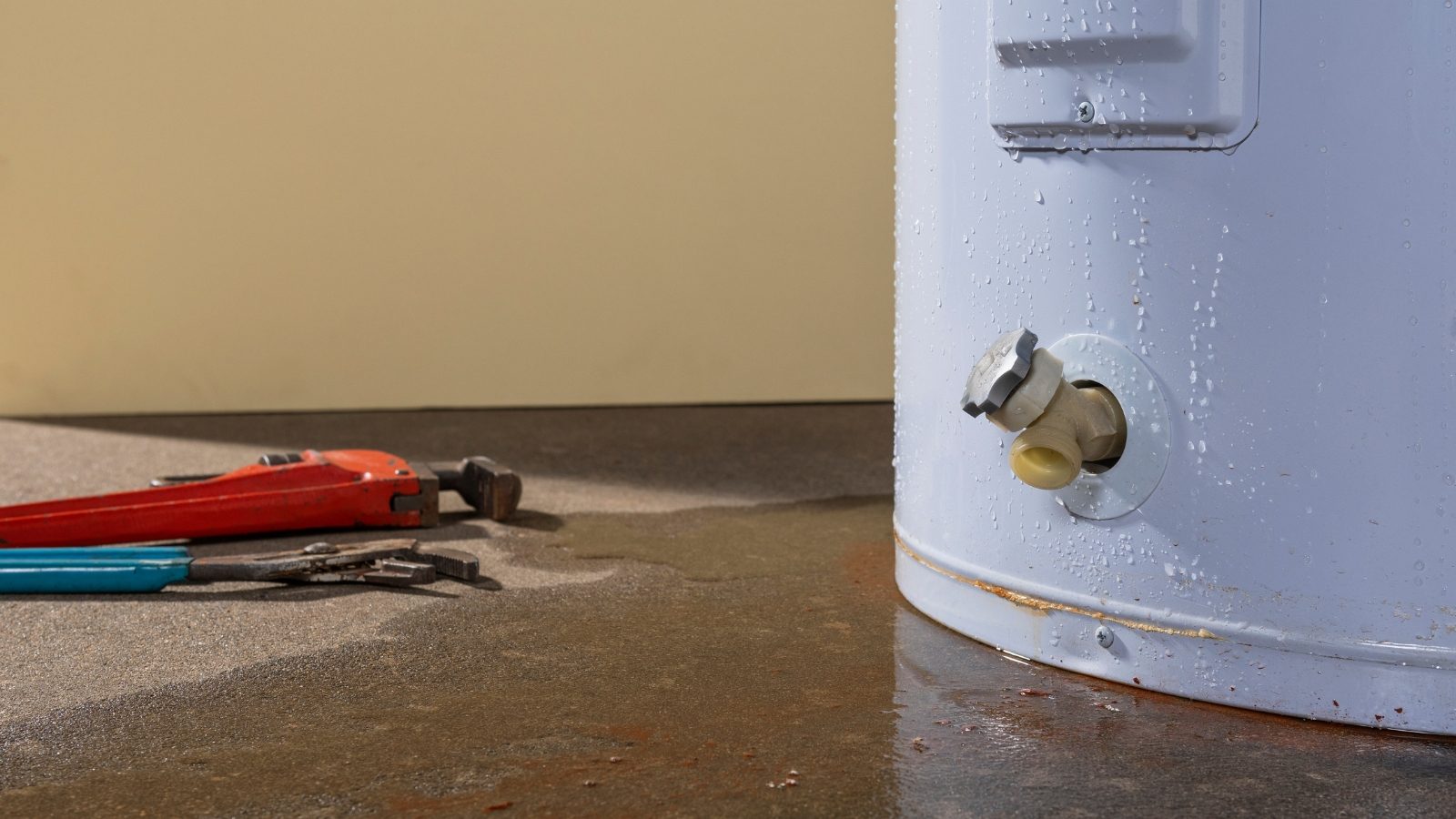
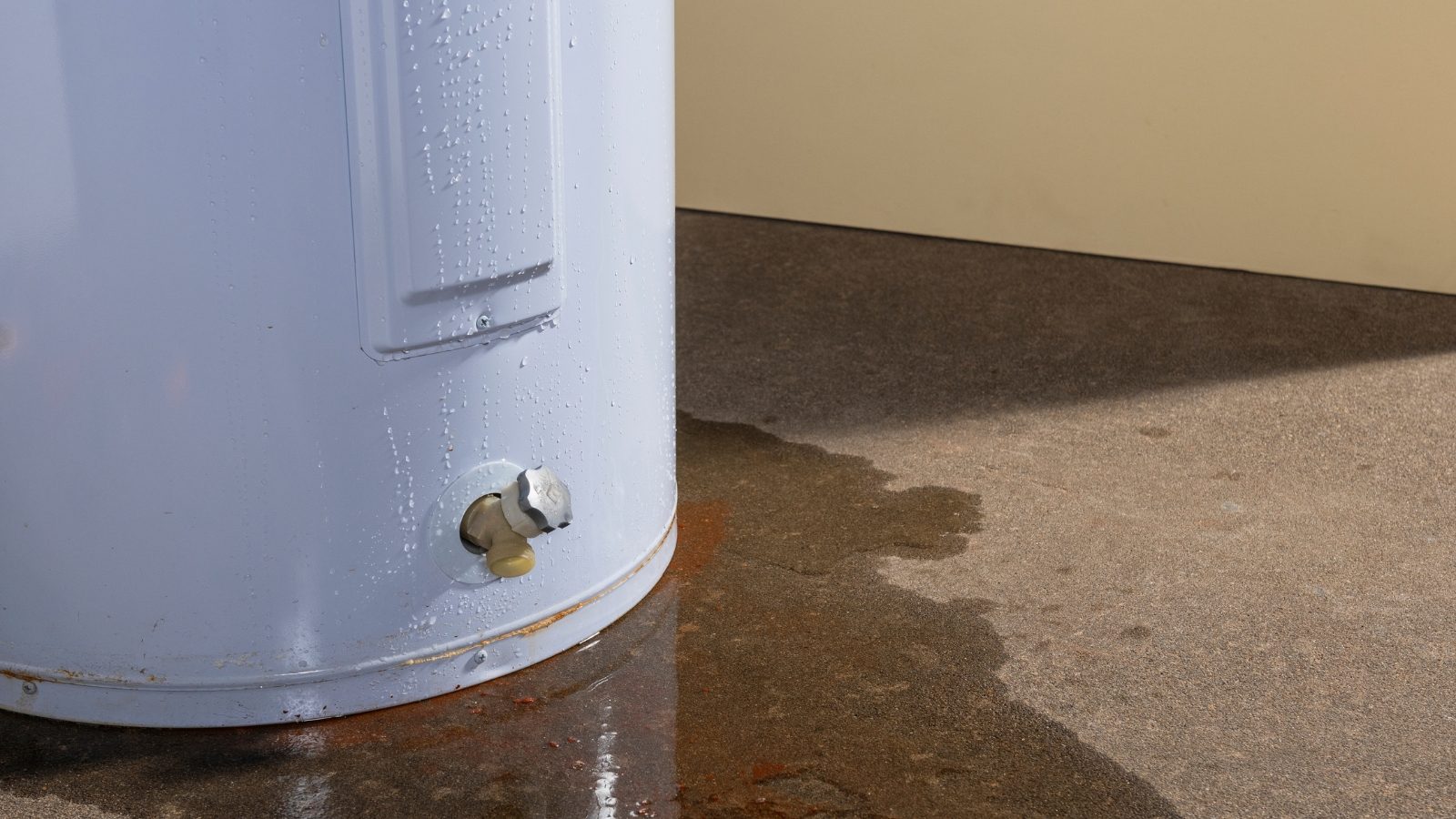
Run cold water at a sink and sniff, then hot. If only the hot water smells of rotten eggs or sulfur, the source is usually inside your water heater. NDSU’s water-quality team explains that sulfates in the water can react with the heater’s magnesium anode rod and produce hydrogen sulfide gas. Its suggested fix is replacing it with an aluminum anode. Penn State Extension says an aluminum rod can stop the odor while still protecting the tank from corrosion.
Both recommend having your water tested before you treat anything. Changing an anode rod is a plumber’s job on most heaters, and removing it entirely can shorten the heater’s life. Our guide to a leaking water heater covers the rest of its care, including the anode check the Department of Energy recommends every few years.
Both hot and cold smell: check your water source
If you’re on a private well and the smell is in both hot and cold water, the cause is usually in the water itself. Penn State Extension explains that sulfur-reducing bacteria in groundwater can produce hydrogen sulfide in well water. It’s a nuisance more than a health problem at the levels you can smell, but it needs a water test and the right treatment system. If you’re on city water and both taps smell, call your water utility.
Your next step
Today, pour a quart of water down every drain you don’t use often, and press the test button on your CO detectors. If you have gas appliances and smell rotten eggs at any point, don’t investigate; get out and call. For the rest of the season’s checks, see the fall-to-winter house checklist, and if a frozen vent is a regular problem at your house, read our frozen pipes guide.
Advertisement
Questions readers ask
Does a rotten egg smell mean a gas leak?
It can. Natural gas has no smell of its own; gas companies add a chemical, mercaptan, that smells like rotten eggs so leaks can be detected. If you smell it in the house, especially near a gas appliance, leave and call your gas company or 911 from outside. Don't flip switches or use anything that could spark.
Why does my house smell like sewer?
Often because a drain trap has dried out and lets sewer gas in. That's common with basement floor drains and fixtures that rarely get used. Pouring water into the drain usually fixes it. In cold weather, a frost-blocked plumbing vent on the roof can also push sewer gas into the house.
Why does only my hot water smell like rotten eggs?
Usually it's a reaction inside the water heater. NDSU and Penn State Extension both explain that the heater's magnesium anode rod can react with sulfates in the water to make hydrogen sulfide. Replacing it with an aluminum anode often stops it. Have your water tested before treating.
Is sewer gas dangerous?
At the low levels usually found in homes, it's mainly an odor problem. The Virginia Department of Health says higher levels can cause headaches, dizziness, nausea and drowsiness, and that some of its gases are flammable. If you feel ill, get to fresh air and call your doctor.