Frozen Pipes: Prevent Them Now, Fix Them Fast
A pipe that freezes and splits can pour out hundreds of gallons before anyone notices. Here's how to protect yours, thaw one safely, and what to do in the first half hour if it bursts.
Rooftop Daily editors choose every topic independently. Some guides include labeled partner offers, and we may be paid when you request a quote. How we make money
In this guide
State Farm paid more than $628 million on frozen-pipe and winter water claims between January 2024 and June 2025. The average payment was over $30,000. That’s one insurer’s books, but the pattern holds everywhere it gets cold: a pipe the width of your thumb, frozen solid in an outside wall, can wreck a kitchen, a finished basement and the ceiling below a bathroom in one night.
The good news is that almost all of it is preventable, and most of the prevention is free.
The short answer
Disconnect your hoses and drain the outdoor faucets before the first hard freeze. On the coldest nights, keep the heat at the same setting around the clock, open the cabinet doors under sinks on outside walls, and let a cold faucet drip. Know where your main water shutoff is before you need it. If a pipe does freeze, thaw it with gentle heat, never a flame. If it bursts, shut off the water first and call your insurer second.
The pipe that freezes isn’t always the one you’d guess. Picture the coldest night of the year: the kitchen sink sits against an outside wall, the cabinet doors underneath are closed, and the supply lines behind them are in the coldest air in the house. By morning the faucet only trickles. Leaving those cabinet doors open overnight lets the room’s heat reach the pipes.
Which pipes freeze, and why the advice on temperature varies
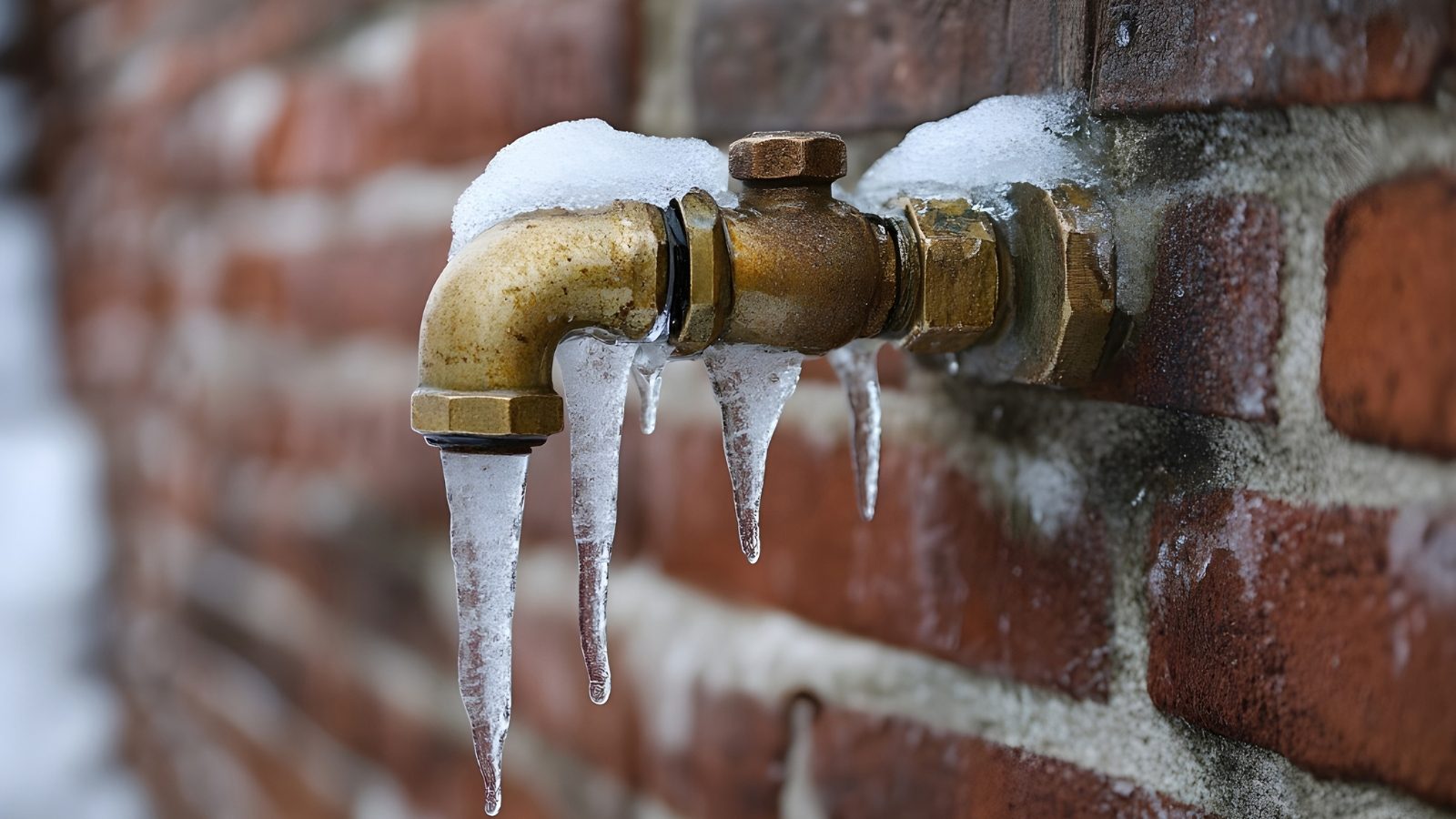
Water expands as it freezes, and that expansion can split metal or plastic pipe. The Red Cross lists the usual suspects: outdoor hose faucets, pool and sprinkler lines, pipes in unheated basements, crawl spaces, attics and garages, pipes under kitchen and bathroom sinks, and anything running along an exterior wall with little insulation.
You’ll see two different thermostat numbers in the advice. The Red Cross and State Farm say to keep the house no lower than 55°F. The Insurance Information Institute says at least 65°F, because a lower setting may not keep pipes inside the walls from freezing.
They’re both answering the same question from different angles. The thermostat measures the air in the middle of the house. The pipe that freezes is in the coldest wall, which can be far colder. In a well-insulated house with pipes on interior walls, 55°F is usually enough. In an older house with plumbing on an outside wall, or on a night far below zero, the higher number buys margin. State Farm says pipes in uninsulated attics, crawl spaces and exterior walls are most at risk when it falls below 20°F outside.
Before the cold arrives
Drain the outdoor faucets. Remove the hose, close the valve inside the house that feeds the outdoor faucet, then open the outdoor faucet so the line drains, and leave it open. Drain pool and sprinkler lines the way the installer recommends.
Insulate what’s exposed. Foam sleeves on pipes in the garage, crawl space, unheated basement and under sinks on exterior walls. For a stretch that freezes every year, the Red Cross recommends UL-listed heat tape or heat cable. Install it exactly as the label says, and check older tape for cracks or brittleness before the season starts.
Seal the drafts that reach pipes. Gaps where pipes and wires pass through the rim joist and foundation let cold air blow right onto the plumbing. Expanding foam or caulk closes them.
This weekend
Find your main shutoff today. It’s usually where the water line comes through the foundation, near the meter. Turn it off and back on once so you know it works and which way it turns. If it’s stuck, or it’s a corroded gate valve, ask a plumber to replace it with a quarter-turn ball valve at your next visit. Then put a tag on it so anyone in the house can find it.
Advertisement
On the coldest nights
- Keep the heat steady. The Red Cross says to skip the nighttime setback during a deep freeze and keep the thermostat at the same setting day and night. You’ll pay a little more for heat. It’s a lot less than a ceiling.
- Open the cabinet doors under sinks on outside walls so warm room air can reach the pipes. Move cleaning products out of reach of kids and pets while they’re open.
- Drip a cold faucet served by exposed pipes. Even a trickle keeps water moving.
- Keep the garage door closed if water lines run through the garage.
- If you’re leaving, keep the heat on and ask someone to check the house daily. University of Illinois Extension says that if no one can check, it’s safer to drain and shut off the water system. If your home has an indoor fire sprinkler system, don’t shut off the water without asking a professional first, because it disables the sprinklers.
How to tell a pipe is frozen, and how to thaw it
The first sign is usually a faucet that gives a trickle or nothing at all on a bitter morning. The frozen section is most likely where the pipe runs against an outside wall or where the water line enters through the foundation.
Open that faucet and leave it open; the moving water helps the ice melt. Then apply gentle heat to the frozen section. The Red Cross lists safe heat sources: an electric heating pad wrapped around the pipe, a hair dryer, a space heater kept well away from anything that can burn, or towels soaked in hot water. Keep going until you have full water pressure, then check every other faucet in the house. Where one pipe froze, another may have too.
Call a pro
Never use a torch, a propane or kerosene heater, a charcoal stove or any open flame on a pipe. That’s how a frozen pipe becomes a house fire. Watch for the risk of electric shock around any water on the floor, and keep cords and appliances out of it. Call a licensed plumber if you can’t find the frozen section, can’t reach it, or can’t get it to thaw.
If a pipe bursts: the first 30 minutes
A crack about an eighth of an inch wide can let out up to 250 gallons a day, according to University of Illinois Extension. Speed matters more than anything else here.
- Shut off the main water valve. This is why you tagged it in October.
- Turn off electricity to the wet area if water is near outlets, fixtures or the panel, and you can reach the breaker without standing in water. If you can’t do it safely, stay out and call your utility.
- Open a faucet at the lowest point of the house to drain what’s left in the pipes.
- Take photos and video of the damage before you move things.
- Call your insurance company or agent. The Insurance Information Institute says to contact them as soon as possible, make temporary repairs to prevent further damage, and keep receipts for everything, including a hotel if you can’t stay in the house.
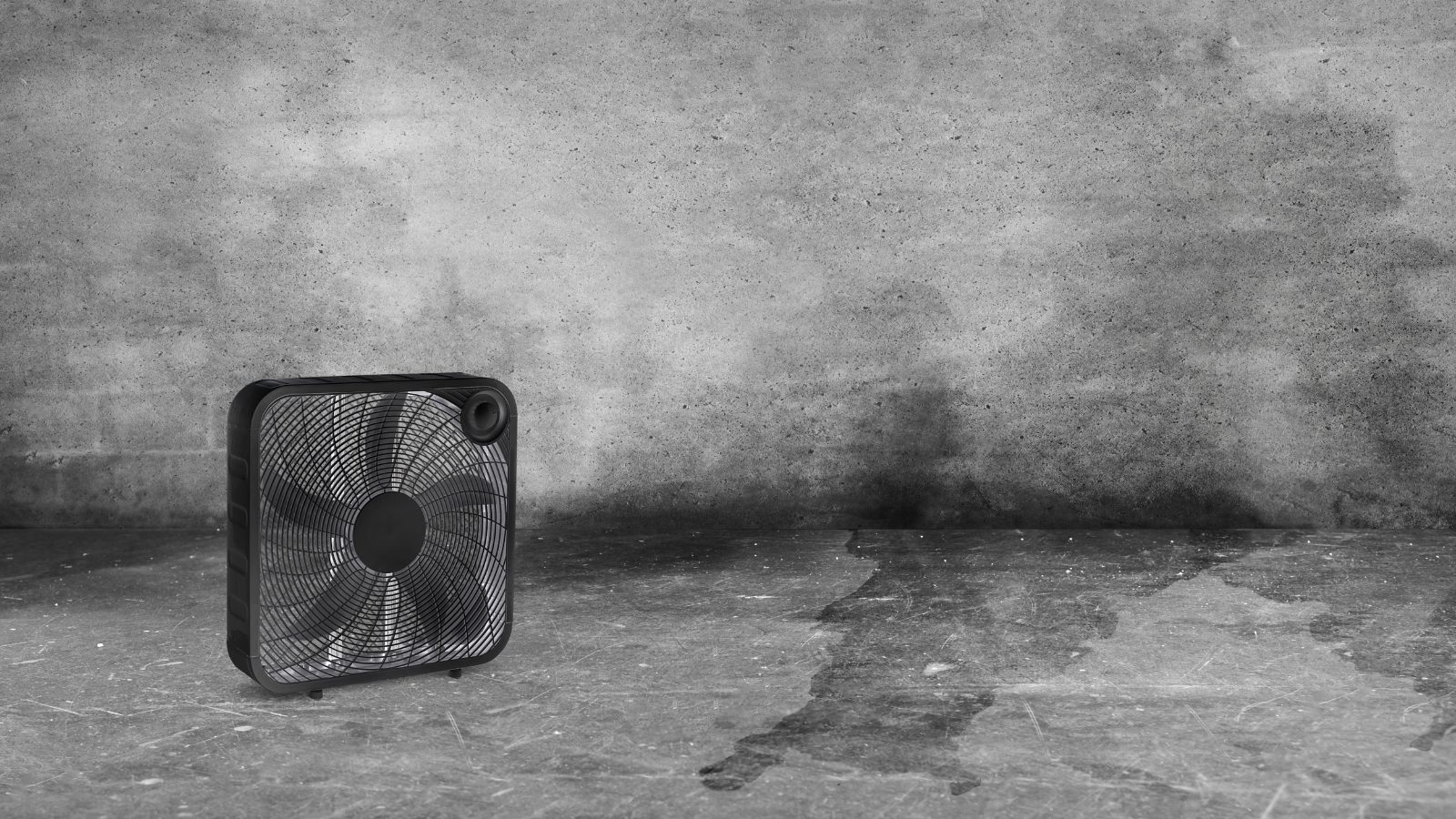
- Start drying. Pull up wet rugs, move furniture, run fans and a dehumidifier. The Triple-I points out that mold can’t grow without moisture, so drying quickly limits the damage you’ll be dealing with in a month.
- Call a plumber to repair the pipe, and ask them to check the rest of the run for cracks that haven’t leaked yet.
What insurance usually covers
The Insurance Information Institute says a standard homeowners policy generally covers freeze damage, such as a pipe that freezes and bursts. Two common exceptions catch people out: sewer or drain backup usually requires a separate endorsement, and flood damage requires a flood policy. Read what a homeowners policy usually doesn’t cover before winter, not after.
| Situation | Usually covered? | What to check |
|---|---|---|
| Pipe freezes and bursts inside the house | Generally yes | Your deductible |
| Water backs up through a floor drain or sewer line | Usually not, without an endorsement | Water backup endorsement |
| Water from outside the house (flooding) | No, under a standard policy | A separate flood policy |
| Burst pipe in a house left empty without heat | Depends on your policy | Vacancy and heat-maintenance conditions |
Coverage varies by policy and state. Ask your agent what yours says.
Your next step
Do three things this week, and you’ve covered most of the risk. Disconnect the hoses and drain the outdoor faucets. Find, test and tag your main shutoff. And put foam sleeves on any pipe you can see in the garage, crawl space or under a sink on an outside wall. The full fall list is in our Fall-to-Winter House Checklist. If an old water heater or supply line is part of the worry, our guide to how long a water heater and other systems last will help you plan, and how to pay for a big home repair covers the money side if the worst happens.
Advertisement
Questions readers ask
At what temperature do pipes freeze?
Water freezes at 32°F, but pipes inside a heated house usually aren't at risk until it's much colder outside. State Farm says pipes in uninsulated attics, crawl spaces and exterior walls are most at risk when temperatures fall below 20°F.
What temperature should I keep my house to prevent frozen pipes?
The Red Cross and State Farm say no lower than 55°F, even when you're away. The Insurance Information Institute suggests at least 65°F, because a lower setting may not keep pipes inside cold exterior walls above freezing. If your pipes run along outside walls, lean toward the higher number on the coldest nights.
Should I drip my faucets?
On very cold nights, yes, for faucets fed by pipes on exterior walls or in unheated spaces. The Red Cross says even a trickle of cold water helps keep a pipe from freezing.
Can I thaw a frozen pipe with a hair dryer?
Yes. The Red Cross lists an electric hair dryer, an electric heating pad, a space heater kept away from anything flammable, or towels soaked in hot water. Never use an open flame, and be careful using electrical devices anywhere near standing water.
Does homeowners insurance cover frozen pipes?
Standard policies generally cover sudden damage from a pipe that freezes and bursts, according to the Insurance Information Institute. Check your own policy, and call your agent as soon as you've stopped the water.