Water in the Basement After Rain: Why It Happens and Who to Call
Many wet basements start outside the house. Here's how to tell surface water from groundwater, a failed sump pump or a sewer backup, who fixes each one, and what insurance usually says.
Rooftop Daily editors choose every topic independently. Some guides include labeled partner offers, and we may be paid when you request a quote. How we make money
In this guide
You go downstairs after a night of heavy rain and the carpet squishes, or there’s a dark line along the base of the wall that wasn’t there yesterday. It’s tempting to search “basement waterproofing” and call the first number. Hold off for an hour. Water gets into basements in a handful of different ways, and the fix, the person you call and whether insurance helps all depend on which one you have.
The short answer
Basement water after rain very often starts outside: gutters that overflow, downspouts that dump next to the foundation, or soil that slopes toward the house. Start there, because those fixes are cheap. Water coming up through a floor drain, or a sump pump that didn’t run, is a plumber’s call. Insurance usually excludes slow seepage and outside flooding, and covers sewer backup or sump pump failure only if you added that coverage.
Say water shows up in one back corner of the basement after every heavy rain, and a waterproofing company quotes interior drain tile. Before signing, you stand outside with an umbrella during the next storm. The gutter above that corner is overflowing, and the downspout dumps everything straight against the foundation. Clearing the gutter and extending the downspout fixes it for a fraction of the quote.
First, be safe
Call a pro
If water is more than ankle-deep, or touching outlets, extension cords, the furnace or the water heater, don’t wade in. Call your electric utility or an electrician to cut power first. If it’s sewage, or smells like it, keep kids and pets out and wear gloves and boots.
If it’s safe, take photos before you clean up, move belongings off the floor, and start drying: a wet-dry vacuum, fans and a dehumidifier. Note the time and how much rain fell. That timing is a clue.
Where’s the water coming from?
| What you see | Likely cause | Who to call |
|---|---|---|
| Wet along the base of one wall, near a downspout or low spot outside | Surface water from gutters, downspouts or grading | Gutter contractor or landscaper; it’s often a DIY fix |
| Damp or seeping walls on several sides, or water through the floor slab after long rains | Groundwater pressing on the foundation | Basement waterproofing contractor |
| Water rising in or around the sump pit | Sump pump failed, lost power or was overwhelmed | Plumber |
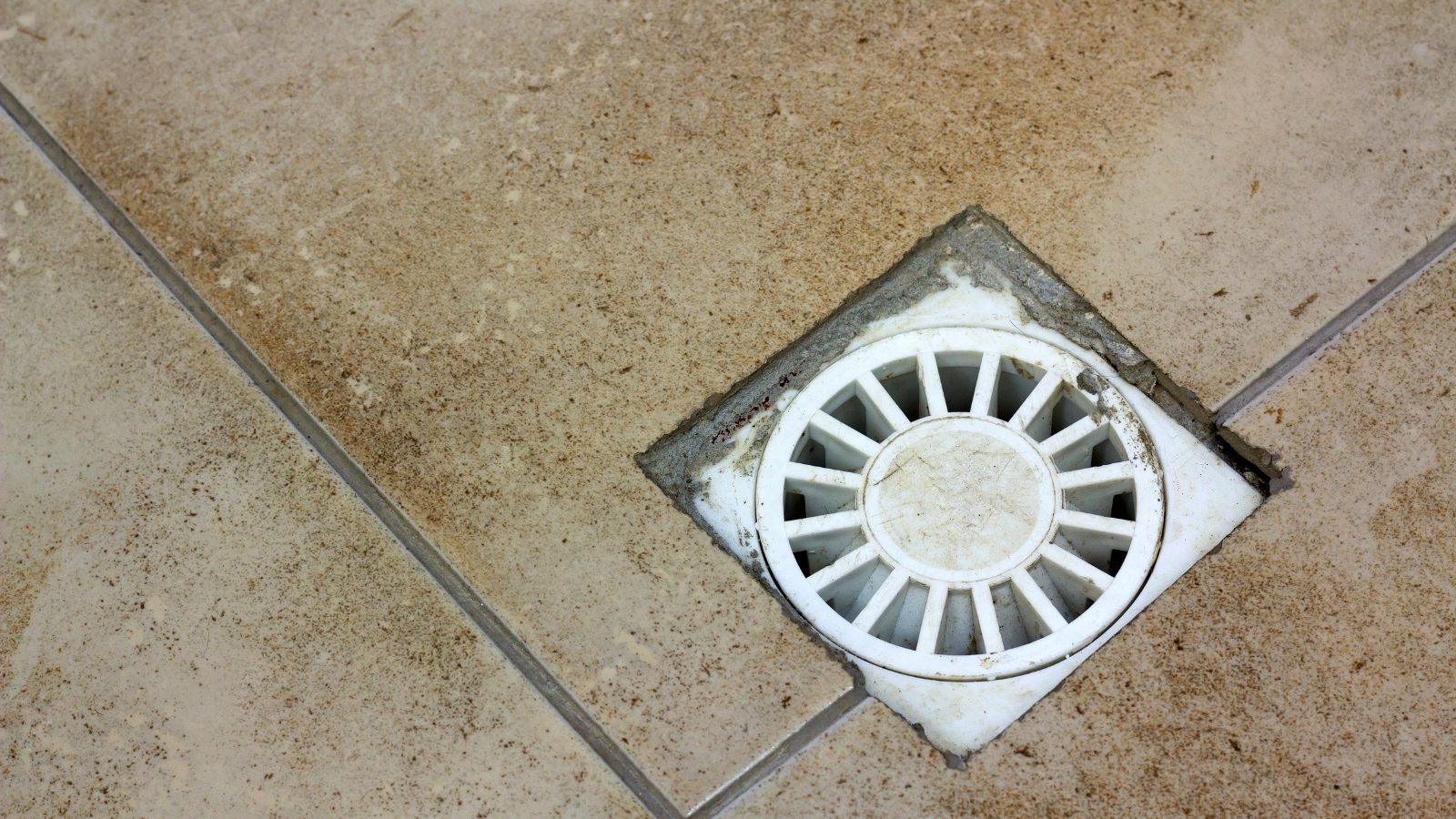
| Water or sewage coming up through a floor drain or toilet | Sewer or drain backup | Plumber (licensed for sewer work) |
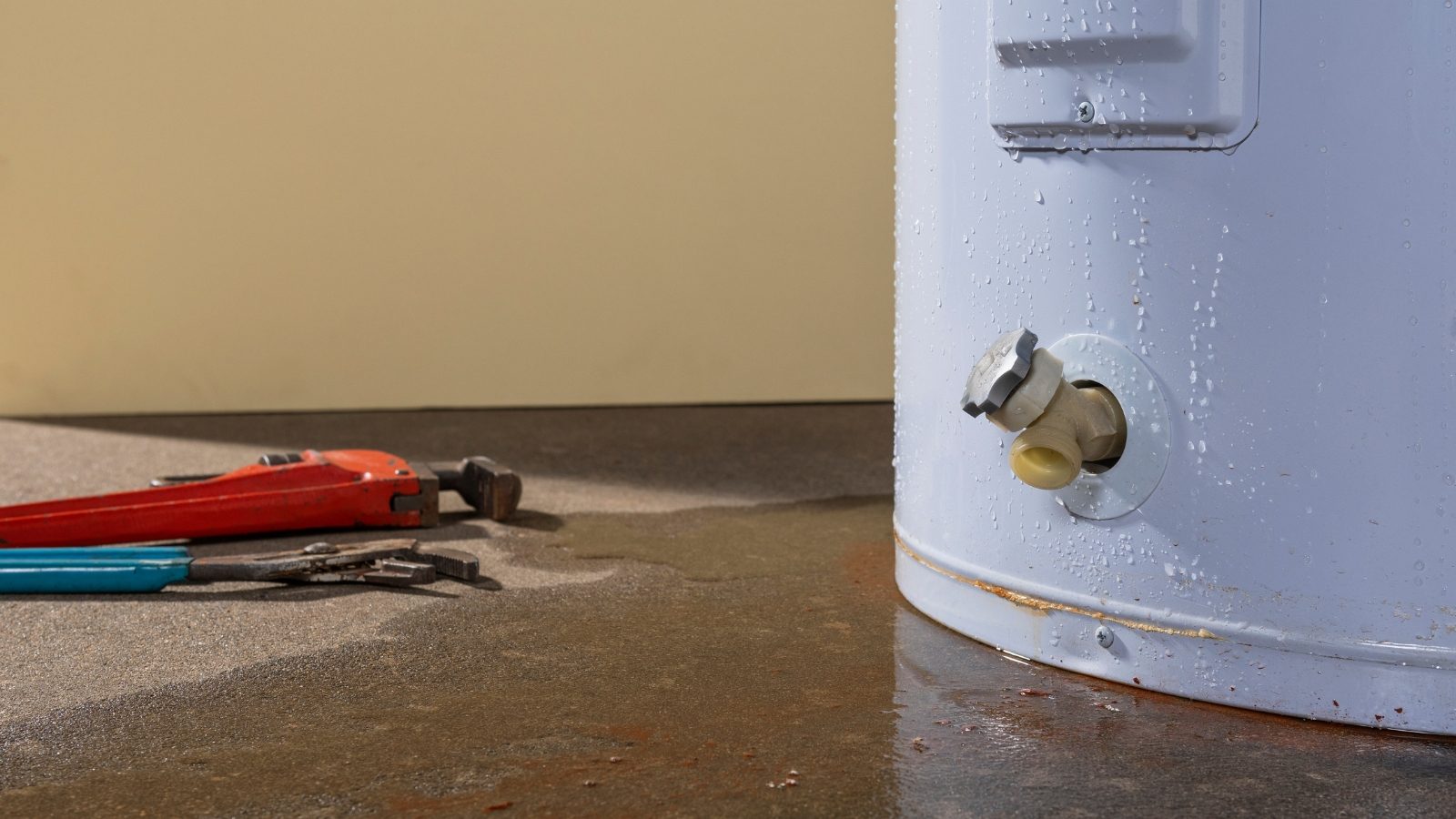
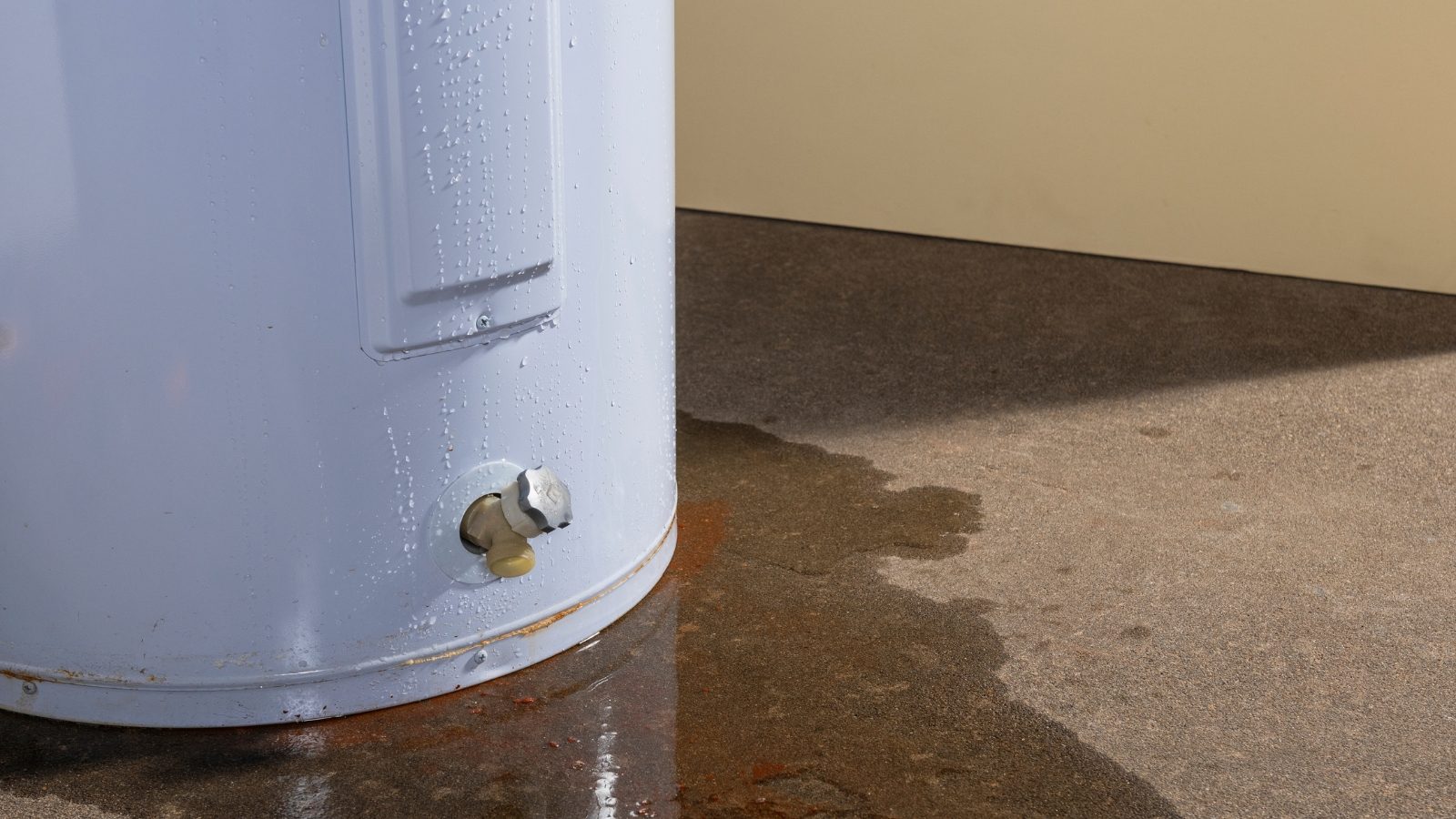
| Puddle near the water heater, washer or a pipe, even in dry weather | Plumbing leak, not rain | Plumber; see our water heater leak guide |
| Water through a basement window or window well | Window well filling up | Gutter, drainage or window well contractor |
Start outside: gutters, downspouts and grading
Often this is where the fix is, and it’s the cheapest one to try. Iowa State University Extension’s advice is plain:
- Move downspout water away. For houses with basement water problems, Iowa State recommends discharging water at least 5 to 10 feet from the foundation. A splash block alone usually works only on steep, well-drained lots.
- Fix the slope. The soil should drop at least 6 inches in the first 10 feet from the house. Soil next to a foundation can settle over the years, and when it does it funnels rain straight to the wall.
- Keep gutters running. A clogged gutter overflows right at the foundation. Our guide to cleaning, guarding or replacing gutters covers the options.
This weekend
Walk the outside of the house in the next heavy rain, with an umbrella and a flashlight. Watch where water sheets off the roof, overflows gutters and pools against the foundation. Ten minutes in the rain tells you more than an hour on a dry day.
If you have a sump pump
A sump pump is your basement’s last line of defense, and it fails in exactly the conditions you need it most. North Dakota State University Extension points out that power outages often happen during the same thunderstorms and floods that fill the pit.
Test it every few months. Farmers Insurance suggests making sure the pump is plugged in, then slowly pouring a bucket of water into the pit. The float should rise, the pump should turn on and push water out the discharge pipe, and it should shut off when the level drops.
Consider a backup. A battery backup pump runs when the power is out or the main pump fails. NDSU Extension recommends a deep-cycle battery rather than a car battery for ongoing backup, and checking its voltage every six months. In NDSU’s tests, a larger battery could keep a backup pump going for days when water came in slowly, but only hours under continuous pumping.
The numbers
| Sump pump job | Typical cost (2026) |
|---|---|
| New installation (pit, pump and drainage) | about $1,400 average |
| New pump where a pit and drain already exist | from about $500 |
| Replacing an existing pump | about $350 – $1,000 |
| Battery backup system | about $150 – $250 |
| Water-powered backup pump | about $200 – $900 |
Source: This Old House, “How Much Does Sump Pump Installation Cost? (2026 Guide),” updated March 2026, using Fixr and Angi data and contractor estimates. Overall range $500 to $4,000.
How long a pump lasts depends on how often it runs. Farmers says many last 7 to 10 years. This Old House gives submersible pumps 5 to 15 years and says pedestal pumps can last much longer with maintenance. If yours is old and runs constantly in wet weather, replace it on your schedule, not the storm’s.
When it’s groundwater
If water seeps through walls on several sides, or up through the floor, after long stretches of rain, and outside drainage is already in good shape, the groundwater around your foundation may be high. The fixes here are bigger: interior drain tile that feeds a sump pump, exterior waterproofing, or both. This is where you want at least three written quotes and a clear explanation of what each contractor found.
Advertisement
What insurance usually says
This is where a lot of homeowners get an unwelcome surprise. In general:
- Seepage is excluded. The Insurance Information Institute says water seepage is excluded under the standard HO-3 policy and is viewed as a maintenance issue.
- Flooding from outside needs flood insurance. Standard homeowners policies don’t cover flood. The National Flood Insurance Program and some private insurers sell separate flood policies, and you don’t have to be in a high-risk zone to buy one.
- Sewer backup and sump pump failure need an add-on. NerdWallet’s guide says sewer backup is usually covered only if you’ve added water backup coverage, and sump pump failure generally isn’t covered unless that coverage includes it.
- A burst pipe usually is covered, though not the cost of fixing the pipe itself.
If you have a finished basement, check your policy for water backup coverage this week. Price the add-on against what it would cost to replace the drywall, carpet and furniture down there. Our guide to what homeowners insurance doesn’t cover goes through each exclusion.
Your next step
Before the next storm, do three things. Extend your downspouts so they drain well away from the house. Pour a bucket into the sump pit and watch it run. And look up whether your policy includes water backup coverage. If water still shows up after that, you’ll know it’s time to call a pro, and which one.
Advertisement
Questions readers ask
Who do I call for water in my basement after rain?
It depends on the cause. Sewage or water coming up through a floor drain is a plumber. A sump pump that failed is a plumber. Water seeping along walls after storms often starts with gutters, downspouts and grading, which a gutter or landscaping contractor can fix; persistent seepage may need a waterproofing contractor. If water is deep or near electrical equipment, stay out and call the utility or an electrician first.
Does homeowners insurance cover water in the basement?
Sometimes. A burst pipe is usually covered. Seepage through the foundation is generally treated as maintenance and excluded, flooding from outside needs separate flood insurance, and sewer backup or sump pump failure usually needs a water backup endorsement.
How far should downspouts drain from the house?
Iowa State University Extension recommends discharging water at least 5 to 10 feet from the house if you have basement water problems, and having the soil drop at least 6 inches in the first 10 feet.
How much does a sump pump cost?
This Old House's 2026 guide puts a new installation at about $1,400 on average, or as little as $500 if a pit and drain already exist. Replacing an existing pump typically runs $350 to $1,000.
How long does a sump pump last?
Sources differ. Farmers Insurance says many last 7 to 10 years. This Old House says submersible pumps typically last 5 to 15 years and pedestal pumps can last longer. Test yours every few months.