Furnace Repair or Replace? A 2026 Cost Guide
Three numbers decide it: how old the furnace is, what the repair costs and what a new one would cost. Here's how to weigh them, and how to read a replacement quote.
Rooftop Daily editors choose every topic independently. Some guides include labeled partner offers, and we may be paid when you request a quote. How we make money
In this guide
If your furnace is under 10 years old, you’ll almost always repair it. If it’s past 20 and the technician is quoting four figures, you’ll almost always replace it. Everything interesting happens in between, and that’s where most furnaces in American basements are right now.
The short answer
Repair a furnace that’s younger than about 15 years, has a good service record, and needs a fix that costs well under half the price of a new unit. Replace one that’s older than 15, has needed repeated or expensive repairs, or has a cracked heat exchanger. Before you decide, get the repair quote and a replacement quote in writing, from more than one company if the numbers are big.
Picture a 16-year-old furnace that won’t light on a January morning. The technician finds a failed igniter, a routine part, and mentions that the rest of the system is showing its age. That’s the in-between case this guide is for: fix the igniter this week, then use the next few months to collect replacement quotes on your own schedule instead of during an emergency.
Before you call: three checks that cost nothing
Sometimes a “dead furnace” turns out to be something simpler. Before you book a service visit, check these:
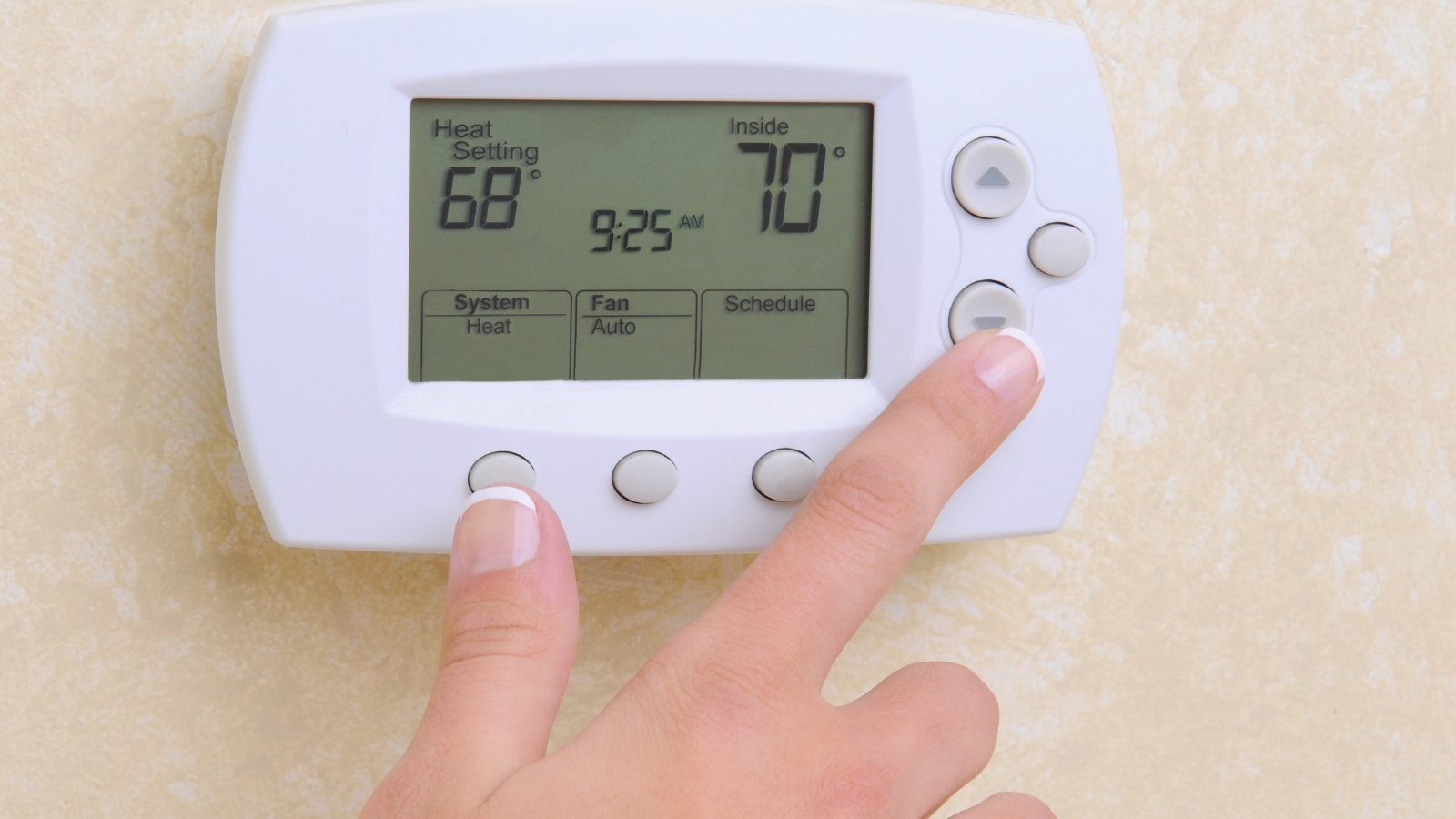
- The thermostat. Make sure it’s set to heat, set above room temperature, and has fresh batteries if it uses them.
- The power. Furnaces have a switch that looks like a light switch, usually on or near the unit, and a breaker in the panel. Both should be on.
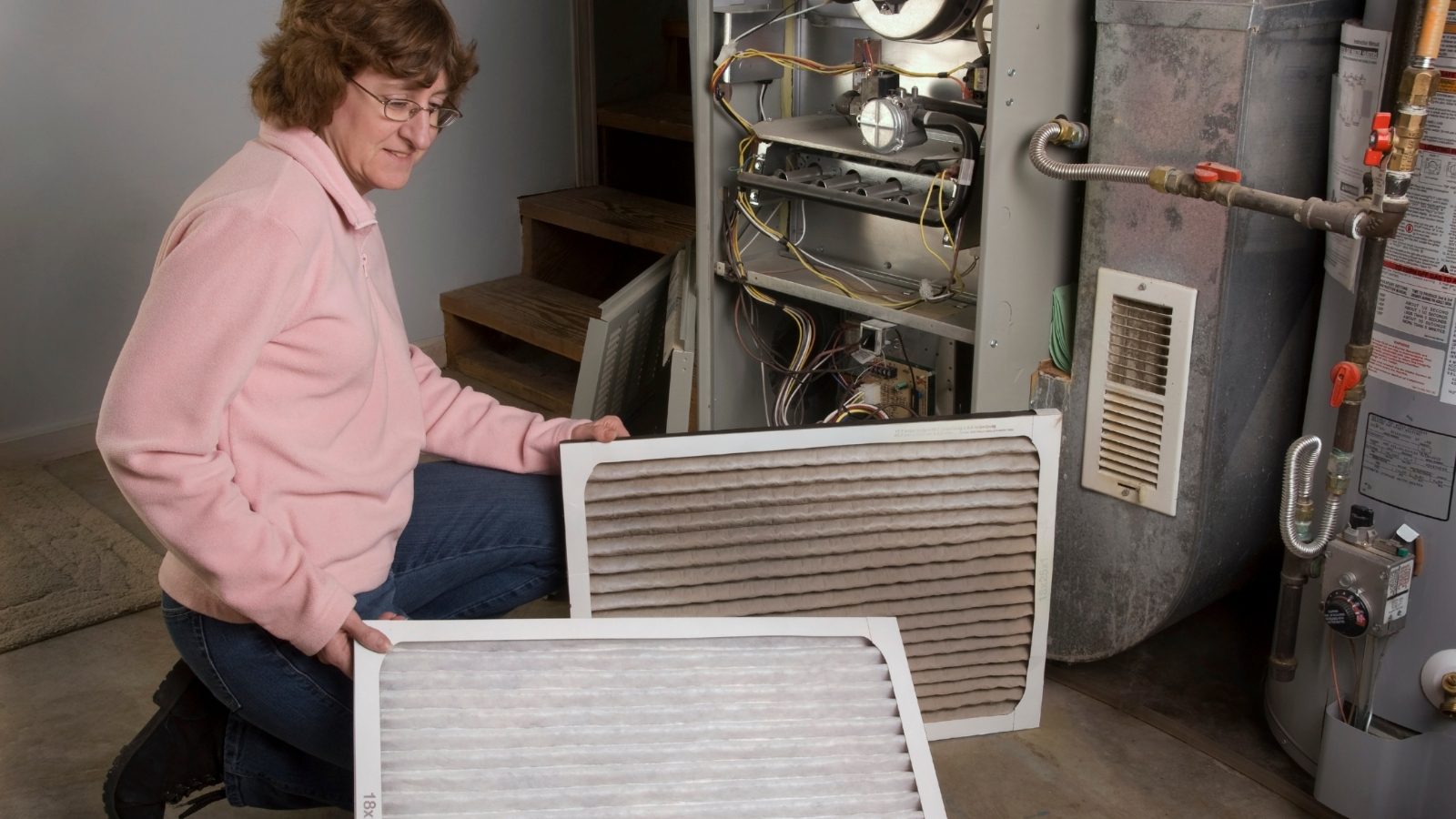
- The filter. A clogged filter can choke airflow so badly that the furnace shuts itself down to protect itself. ENERGY STAR says to check it monthly in heating season.
If all three are fine and there’s still no heat, or you smell gas, stop there and call a pro.
Start with three numbers
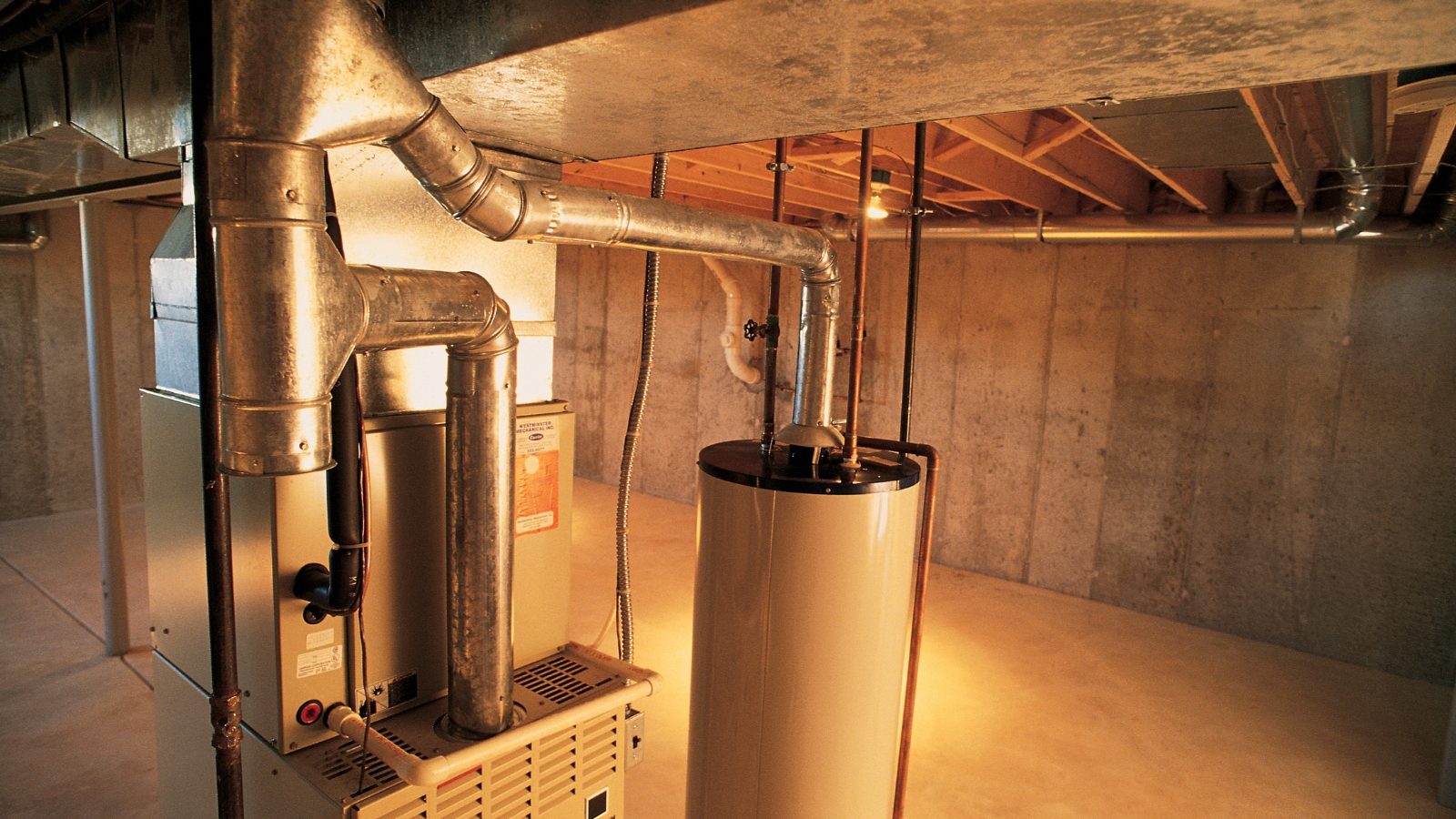
The furnace’s age. It’s on the data plate inside the access panel, usually as a manufacture date or coded in the serial number. If you can’t read it, your HVAC technician can. ENERGY STAR’s own repair-or-replace guidance generally favors repairing a furnace under 15 years old and considering replacement after that.
The repair quote. Get it written, with parts and labor broken out.
A replacement quote. Ask for one even if you’re leaning toward the repair. This Old House’s rule of thumb is that a repair is usually worth it if it costs less than half the price of a new furnace. You can’t apply that rule without both numbers.
Put the three side by side. A $350 igniter on a 17-year-old furnace that’s otherwise been reliable is a reasonable bet. A $2,000 control board and blower on the same furnace usually isn’t.
The signs that tip it
ENERGY STAR lists what points toward replacement: repeated problems, repairs that are extensive or expensive, a system that cycles on and off too often, performance that doesn’t keep the house comfortable, and a plan to stay in the house a long time. Its rule: if two or more of those apply, look seriously at a replacement.
Other clues worth mentioning to the technician: rooms that never get warm, a lot more dust than you used to have, and new noises. None of those alone means the furnace is done. Together, on an older unit, they usually do.
Call a pro
A cracked heat exchanger is the one diagnosis that can end the discussion. It’s the part that keeps combustion gases separate from the air you breathe, and ENERGY STAR notes a cracked one can make a furnace unsafe to operate. If a technician finds one, ask to see it (a photo or camera image is fair to ask for), get a second opinion if you’re unsure, and make sure you have working carbon monoxide alarms on every level in the meantime.
Advertisement
What a new furnace costs in 2026
This Old House’s 2026 guide, which draws on HomeAdvisor’s cost data, puts the average installed price at about $4,800, with most jobs between $1,600 and $10,000. Treat that as a national ballpark. Your price depends on fuel type, the size and efficiency of the unit, what your ductwork and venting need, and local labor rates.
The numbers
| Furnace type | Typical installed range (2026) | Notes |
|---|---|---|
| Electric | $2,000–$7,000 | Cheapest to install; often the most expensive to run where electricity is pricey |
| Natural gas | $3,800–$10,000 | Most common; high-efficiency models may need new venting |
| Oil | $6,750–$10,000 | Ask what chimney or venting work is included |
Source: This Old House, “How Much Does a New Furnace Cost? (2026),” updated April 2026, using HomeAdvisor estimates. National averages; get local quotes.
Is a high-efficiency furnace worth it?
A furnace’s efficiency is its AFUE rating: the share of the fuel’s energy that ends up as heat in the house. High-efficiency gas furnaces are rated 90% AFUE or higher, and they cost more up front.
Whether the extra cost pays back depends on where you live. ENERGY STAR estimates its certified gas furnaces save about $160 a year in the northern U.S. compared with standard models, and about $60 a year in the South. In Minnesota, that’s a real return over a furnace’s life. In Georgia, a mid-efficiency furnace may be the better buy. Ask each contractor to price both, and to tell you what venting changes the high-efficiency model needs.
How to compare replacement quotes
Get at least two, and three if the numbers are far apart. Then line them up on these points, because a low total often hides a missing item:
- Sizing. Did they calculate the heat load for your house (often called a Manual J), or just match the old unit’s size? Oversized furnaces cycle on and off and wear out sooner.
- Model and efficiency. Exact brand, model number and AFUE.
- What’s included. Removal and disposal of the old unit, permit, new thermostat, venting or chimney liner work, condensate line, and any duct changes.
- Warranty. Parts and labor, and for how long. Ask whether the manufacturer’s parts warranty requires registration.
- Timeline. In the cold months, how soon they can install, and whether they’ll provide temporary heat.
Tax credits changed for 2026
Until recently, a qualifying furnace could earn up to $600 through the federal Energy Efficient Home Improvement Credit, and a qualifying heat pump up to $2,000. The IRS now says the credit applies to equipment placed in service by December 31, 2025. A furnace installed in 2026 doesn’t qualify.
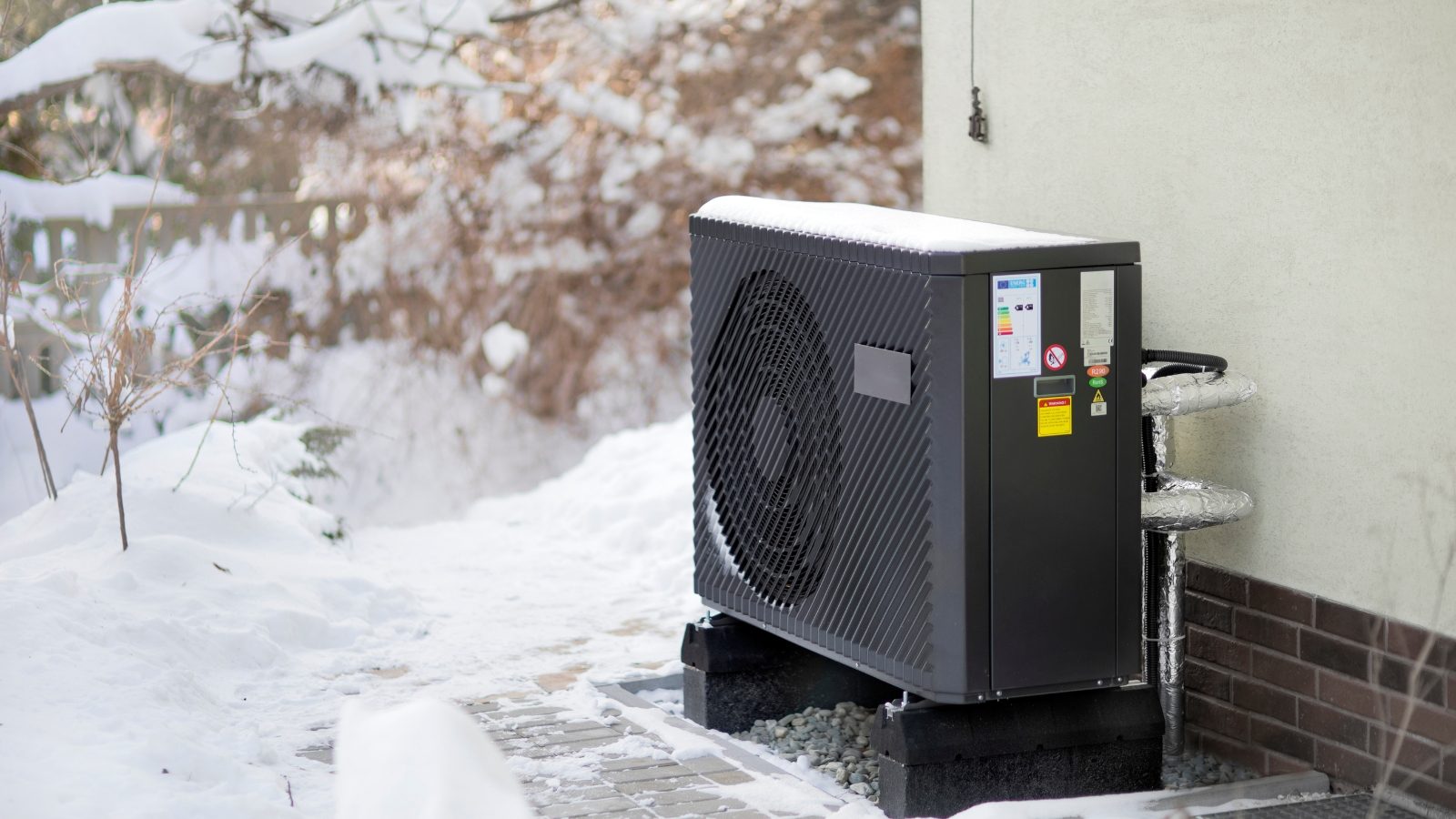
That doesn’t mean there’s no help. Many utilities and some states offer rebates for efficient furnaces and heat pumps. Ask each contractor which ones apply and who files the paperwork.
Paying for it
A furnace usually fails in the coldest week of the year, which is the worst time to make a $5,000 decision. If you’re replacing it, compare the contractor’s financing offer with your other options; a home-equity line of credit or a personal loan may cost less over time. We walk through each in how to pay for a big home repair.
Your next step
Find your furnace’s age today. If it’s past 15, don’t wait for it to fail: get a replacement quote this fall, when you can compare companies calmly, and keep the annual tune-up from our fall-to-winter checklist on the calendar either way. To see how the rest of your big systems are aging, read how long a roof, furnace and water heater last.
Advertisement
Questions readers ask
How long does a furnace last?
This Old House, citing the International Association of Certified Home Inspectors, puts a typical furnace's life at 15 to 25 years. Maintenance, installation quality and how hard it works all affect where yours lands.
Is it worth repairing a 20-year-old furnace?
Sometimes, for a small part like an igniter or sensor. ENERGY STAR's guidance generally favors replacing a furnace older than 15 years, especially if it has needed repeated or expensive repairs.
How much does a new furnace cost in 2026?
This Old House, using HomeAdvisor data, puts the average at about $4,800 installed, with most jobs between $1,600 and $10,000. Gas and oil furnaces generally cost more than electric ones.
Is there a federal tax credit for a new furnace in 2026?
The IRS says the Energy Efficient Home Improvement Credit applies to equipment placed in service by December 31, 2025, so a furnace installed in 2026 doesn't qualify. Check for state and utility rebates instead.